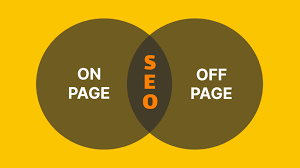
Search Engine Optimization (SEO) is essential for improving online visibility, boosting website traffic, and achieving higher search engine rankings. However, SEO is not a single strategy, it is divided into two core categories: on-page SEO and off-page SEO. Both serve the same purpose but approach it differently. On-page SEO focuses on internal website elements, while off-page SEO emphasizes external factors that influence credibility and authority. To better understand their role in digital marketing, let’s explore the seven key differences between on-page and off-page SEO.
1. Focus of Optimization
The first difference is where the optimization efforts are directed. On-page SEO focuses entirely on elements within your own website, such as content quality, keyword placement, and technical improvements like page speed and mobile responsiveness. The aim is to make your site user-friendly and search engine-friendly.
Off-page SEO, however, focuses on external activities like link building, guest blogging, social media marketing, and influencer outreach. While on-page SEO strengthens your website internally, off-page SEO builds authority and trust externally. If you’re looking to improve your website’s visibility and rankings, choosing a Professional SEO Service can help you achieve measurable results.
2. Control Over Strategies
Another major difference lies in control. With On-page SEO, you have full control because all changes are implemented directly on your website. You can edit content, optimize meta tags, and improve technical performance at any time.
Off-page SEO, on the other hand, depends on external factors. You can perform outreach and create valuable content, but you cannot directly control whether authoritative websites will link back to you or whether users will engage with your brand online. This makes on-page SEO more predictable and off-page SEO more uncertain but powerful.
3. Content vs. Reputation
On-page SEO and off-page SEO also differ in their core purpose. On-page SEO is content-driven. Search engines reward websites that produce high-quality, relevant, and keyword-optimized content. The more value your content offers, the better your site ranks.
Off-page SEO, however, is reputation-driven. It is less about the content itself and more about how others perceive and endorse your site. Backlinks from trusted sources, positive reviews, and social media mentions all enhance your reputation in the eyes of search engines, signaling that your website is credible and authoritative.
4. Techniques Involved
The techniques used in each area also set them apart. On-page SEO techniques include optimizing title tags, meta descriptions, and headers, improving content structure, enhancing page load speed, ensuring mobile responsiveness, and using internal linking effectively.
In contrast, off-page SEO techniques are centered around promotion and authority-building. These include acquiring quality backlinks, engaging in guest posting, building relationships with influencers, growing social media presence, and managing local SEO through Google Business Profile and citations.
5. Short-Term vs. Long-Term Impact
The impact of each strategy also differs in terms of time. On-page SEO changes often deliver quicker results. Optimizing page titles, fixing broken links, or improving content can show visible improvements in search rankings within a few weeks.
Off-page SEO is more long-term. Building a strong backlink profile or increasing social media engagement takes time, but the results are more sustainable. Once you establish authority through off-page efforts, it continues to benefit your site for months or even years.
6. Dependency on External Sources
Another key difference lies in dependency. On-page SEO is independent, as everything can be managed within your own website. You don’t need external approval to update content, fix technical issues, or restructure your site.
Off-page SEO, however, relies heavily on third-party validation. You need backlinks from other sites, mentions from influencers, or reviews from customers to strengthen your authority. This reliance makes off-page SEO harder to control but also crucial for long-term credibility.
7. Measurement of Success
Finally, the way success is measured differs between the two. On-page SEO success can be tracked using metrics such as keyword rankings, bounce rates, organic traffic, page speed, and time spent on site. These reflect how well your website performs internally.
Off-page SEO success, however, is measured through external indicators like the number and quality of backlinks, domain authority, brand mentions, social media shares, and reviews. These metrics show how the digital ecosystem perceives and values your website. A Professional SEO Service ensures your business gets expert strategies tailored to drive traffic, build authority, and boost online growth.
Conclusion
While on-page and off-page SEO differ in focus, control, techniques, and measurement, they work best when combined. On-page SEO provides the foundation by ensuring your website is optimized, fast, and full of valuable content, while off-page SEO builds trust and authority by spreading your brand’s reputation across the web. Businesses that use both strategies together are more likely to achieve sustainable growth, higher rankings, and long-term success.
 Website SEO
Leave a comment