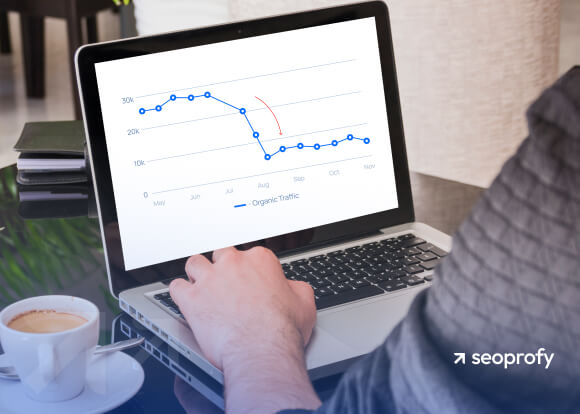
Google’s search algorithm has always evolved with the goal of understanding users better and delivering the most accurate, trustworthy, and helpful results. But in 2026, the search landscape looks more advanced than ever, shaped by AI-driven ranking systems, deeper analysis of user intent, stricter content quality checks, and enhanced indexing technologies. Understanding how these shifts work helps businesses, marketers, and creators optimise their online presence and stay visible in increasingly competitive search results. Below are eight major ways Google’s algorithm now works in 2026.
1. AI-Powered Ranking Systems Lead the Search Experience
In 2026, AI sits at the core of Google’s ranking systems. Updates to models like RankBrain, Neural Matching, and the latest Search Generative Experience (SGE) make search more intuitive. These systems process queries contextually, analysing user intent rather than just matching keywords. As a result, Google now ranks pages that are written naturally, provide complete answers, and demonstrate clear value.
Keyword stuffing and shallow content are instantly downgraded, rewarding sites that genuinely solve user problems. Businesses looking to improve their online visibility can benefit from professional SEO marketing services in UK, designed to boost rankings and attract high-intent customers.
2. E-E-A-T Signals Are Evaluated More Deeply
Google continues to elevate Experience, Expertise, Authoritativeness, and Trustworthiness (E-E-A-T) as core ranking signals. With the help of enhanced AI detection, Google can now verify an author’s credibility, cross-check factual accuracy, and assess brand trust based on online mentions and external references. Websites with expert-created content, strong author bios, transparent sourcing, and authoritative backlinks experience higher rankings, while generic AI-only content without oversight struggles to gain visibility.
3. Search Generative Experience (SGE) Shapes Visibility
The expansion of SGE in 2026 is one of the most transformational changes in Google Search. SGE summarises answers directly within the search results using AI-generated overviews. To appear in or influence these summaries, content must be structured clearly, include accurate insights, and provide reliable information that Google’s AI can use confidently. Websites with well-organised headings, factual statements, and concise sections are far more likely to appear in SGE highlights and gain more organic exposure.
4. User Intent Dominates Keyword Rankings
Google now focuses heavily on what users truly want. Whether the intent is informational, transactional, navigational, or local, Google evaluates how well a page satisfies that purpose. Behavioral signals such as dwell time, scrolling depth, and bounce rate help the algorithm understand page usefulness. If users frequently return to the search results, Google interprets it as a sign of weak content and decreases the ranking. Pages that provide comprehensive, user-focused answers rise higher.
5. Core Web Vitals Have Stricter Thresholds
Technical performance continues to influence rankings significantly in 2026. Google tightened the threshold for Core Web Vitals, putting more pressure on website owners to deliver fast, stable, and responsive pages. Metrics such as page loading speed, visual stability, and interactivity directly impact ranking positions. Lightweight design, responsive layouts, optimised images, and minimal layout shifts ensure stronger performance. Websites that ignore technical optimisation face lower rankings despite having strong content.
6. Real-Time Indexing Enhances Freshness
Google now crawls and evaluates content more frequently than ever, especially for fast-moving industries such as finance, health, e-commerce, and tech. Freshness signals play a huge role in ranking decisions, with updated pages, new data, and recent insights performing significantly better than outdated content. Real-time indexing allows Google to instantly detect relevant changes, enabling newer, high-quality content to outrank older pages quickly.
7. Entity-Based Search Strengthens Topic Understanding
Google’s modern algorithm relies heavily on entity recognition, allowing it to understand the relationships between people, brands, places, and concepts. This helps Google determine topical authority rather than relying solely on keywords. Websites that build content around related subtopics, maintain strong internal linking, and demonstrate subject expertise perform exceptionally well. This approach rewards brands that create comprehensive content ecosystems rather than isolated articles.
8. High-Quality Backlinks Still Support Rankings
Even with AI taking the lead, backlinks remain a crucial ranking factor in 2026. Google now evaluates links with enhanced accuracy, filtering out spammy networks, irrelevant guest posts, and manipulative link strategies. It prioritises contextual, editorial, and relevant backlinks from trusted websites. A smaller number of high-quality links holds more value than hundreds of low-quality ones. These authoritative backlinks serve as validation that a website’s content is reliable and beneficial to users. With expert SEO marketing services in UK, brands can optimise their websites, enhance user experience, and achieve long-term growth through data-driven search strategies.
Conclusion
The way Google’s search algorithm works in 2026 reflects a strong commitment to delivering the most trustworthy, user-centric, and high-quality results. AI-driven ranking systems, stricter quality signals, improved indexing, and stronger relevance measurements shape how websites rank today. To succeed, brands and creators must focus on expertise-backed content, excellent user experience, clean structure, and technical optimisation. Those who follow these principles not only adapt to Google’s evolving system but also build long-term digital visibility.
 Website SEO
Leave a comment