• How Content Refreshing Boosts Your Website’s SEO?

    Keeping your website relevant and visible in search results requires more than just publishing new articles. While fresh content is important, consistently updating your existing pages is equally powerful, sometimes even more. Content refreshing is the process of revisiting old blog posts or webpages to improve accuracy, update data, enhance readability, and optimise them for today’s search trends.

    In the fast-moving digital world, information becomes outdated quickly, and search engines naturally favour content that reflects the most current insights. When you refresh existing content, you signal to Google that your site remains active, authoritative, and dedicated to delivering valuable information. This helps improve rankings, boosts organic traffic, and strengthens your overall SEO performance. Here’s how content refreshing can accelerate your website’s growth.

    1.     Fresh Updates Help Maintain Relevance in Search Results

    Search engines constantly aim to provide users with the most relevant and updated information. If you published a blog three years ago and haven’t touched it since, chances are new facts, statistics, and best practices have emerged. This makes the old content less valuable compared to more recent sources. By updating your posts with the latest data, modern examples, and current keywords, you keep them aligned with changing industry trends.

    This increases your chances of ranking higher again, especially for competitive topics. Search engines recognise that refreshed content offers users a better experience and reward it with improved visibility. In a world where information evolves rapidly, staying relevant is the foundation of strong organic performance. Boost your online visibility and achieve long-term growth with our expert SEO Agency dedicated to delivering measurable results.

    2.     Updated Content Improves User Engagement and Experience

    When visitors land on your website, they expect accurate, useful, and up-to-date information. Outdated content can lead to confusion, mistrust, and high bounce rates, and search engines monitor these signals closely. Refreshing your content improves its quality, clarity, and depth, which directly enhances user engagement. Adding new explanations, FAQs, examples, and visuals helps make the information more interactive and valuable.

    Users who find updated content tend to stay longer, explore more pages, and take action, whether it’s signing up, purchasing, or reading another article. Better engagement metrics send positive signals to Google, which boosts your SEO ranking over time. Essentially, updated content gives users a reason to stay, and search engines notice.

    3.     Content Refreshing Helps You Target New and Trending Keywords

    Search behaviour evolves continuously. Keywords that were trending two years ago may no longer be the terms people search for today. When you revisit an old blog post and add new keyword variations, you increase the chances of ranking for modern search queries. This also allows you to expand the content’s reach by aligning it with different user intents.

    For example, a post originally targeting “best SEO tools” can be updated to include phrases like “AI SEO tools” or “SEO tools for small businesses,” which reflect today’s trends. Search engines notice when a piece of content remains adaptable to changing keyword patterns, and this flexibility results in higher ranking opportunities. Keyword optimisation during content refreshes ensures your pages continue to attract relevant, search-driven traffic.

    4.     Updated Content Strengthens Your Position as an Industry Authority

    Authority matters in SEO, and Google prefers ranking websites that consistently publish trustworthy, reliable content. When you refresh your articles, you demonstrate that your brand is committed to accuracy and expertise in your industry. Updating facts, adding citations, linking to authoritative sources, and expanding valuable insights help reinforce your position as a knowledgeable resource.

    Over time, this consistency builds trust with both users and search engines. Websites that maintain authority and expertise tend to outperform competitors, especially in search results related to important topics. By refreshing your content regularly, you show that your website stays knowledgeable and updated, further improving long-term SEO performance.

    5.     Content Refreshing Boosts Crawl Frequency and Indexing

    Search engines use crawlers to discover and evaluate your content. When your site shows signs of regular updates, these crawlers visit more frequently. This means your updated pages get reindexed faster, giving them a better chance of improving in search results.

    On the other hand, if your website rarely changes, crawlers may not prioritise your pages, making it harder for new content or updates to get noticed. By refreshing older content, you create new internal activity that signals to Google that your site is still active and worth revisiting often. Improved crawl frequency ensures your updates are recognised sooner, which accelerates ranking improvements and increases your organic visibility.

    6.     Enhancing Old Content Helps Increase Organic Traffic and CTR

    Many websites have older blog posts that once performed well but eventually lost traffic due to outdated information or new competitors. Instead of letting these pages fade, refreshing them can revive their performance. Updating titles, improving meta descriptions, and adding more compelling introductions help increase click-through rates when users find your page on Google.

    A high CTR tells search engines that your content is appealing and relevant. Editing and expanding your content also gives you the opportunity to add more internal links to other important pages, indirectly boosting your entire website’s SEO. As refreshed posts climb back up the rankings, they start pulling more organic traffic again, sometimes even more than when they were originally published.

    7.     Content Refreshing Extends the Lifespan of Your Existing Pages

    Creating new content from scratch takes time, effort, and resources. Refreshing existing content, however, delivers high SEO value with significantly less work. Instead of producing multiple new articles every week, updating older posts keeps your content ecosystem alive and functioning. Each refresh extends the lifespan of a post, making it valuable for long-term traffic generation.

    A single blog post can continue delivering results for years if it is consistently updated. This approach is more sustainable and ensures that your content library grows in strength rather than becoming outdated or irrelevant. Long-term SEO success is built on maintaining a balance between new content creation and updating old posts regularly.

    8.     Refreshing Content Makes Your Website More Competitive

    The digital landscape is constantly evolving, and competitors are continuously improving their SEO strategies. If they refresh their content and you do not, your rankings may drop. By revisiting your top-performing and underperforming articles, you stay one step ahead of the competition.

    Updating content gives you the opportunity to improve depth, add keywords your competitors missed, answer more user questions, and enhance readability. This helps your content stand out in search results, making it more likely to capture user attention. Continuous improvements ensure your website remains competitive, relevant, and well-positioned in the search engine rankings.

    Conclusion

    Content refreshing is a powerful yet often overlooked SEO strategy that enhances visibility, maintains credibility, and drives long-term results. By updating your old pages with new insights, optimising keywords, improving structure, and ensuring accuracy, you help your website show up stronger in search results. This process not only boosts organic traffic but also strengthens user trust, improves engagement, and ensures your content remains useful in a rapidly changing digital world. For any website aiming to maintain sustained growth, refreshing content regularly is essential, and one of the smartest strategies for staying ahead in SEO.
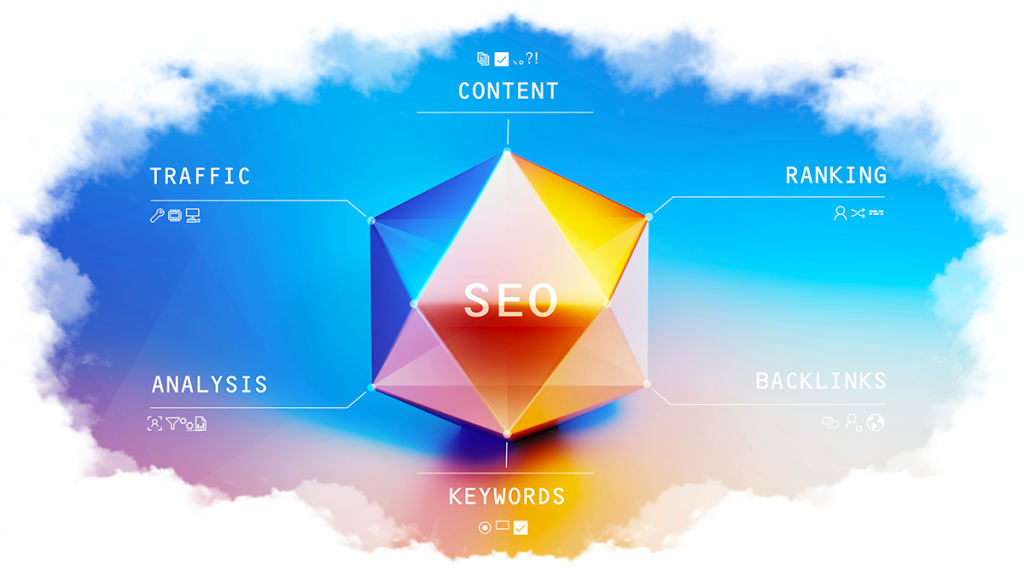

  • How to Build an SEO Strategy for a Newly Launched Website?

    Launching a new website is an exciting milestone, but without a strong SEO strategy, even the most visually appealing site can struggle to attract visitors. Search engine optimisation is essential from day one because it helps search engines understand your content, improves visibility, and sets the foundation for long-term organic growth. For a newly launched website, following a structured and well-planned SEO approach ensures you build authority early and move toward higher rankings faster. Here are eight effective ways to build a powerful SEO strategy for your new site.

    1.     Start with Comprehensive Keyword Research

    Every successful SEO strategy begins with keyword research because it determines what your audience is searching for and how you can match their needs. For a new website, it’s best to target long-tail keywords, which have lower competition and higher intent. Instead of aiming for broad keywords like “digital marketing,” it’s wiser to target phrases like “affordable digital marketing services for startups.” These keywords are easier to rank for and help you attract relevant traffic. Tools such as Google Keyword Planner, Ubersuggest, AnswerThePublic, and SEMrush provide insights on search volume, competition levels, and related keyword ideas. The goal is to create a keyword list that aligns with your offerings and audience expectations. Once your research is complete, you can structure your content strategy around these terms to build early SEO momentum.

    2.     Optimize On-Page Elements for Search Engines

    After identifying your target keywords, the next crucial step is optimizing on-page elements. On-page SEO ensures search engines can interpret your content properly, while also enhancing user experience. For each page, focus on optimizing the meta title, meta description, headers, URL structure, and image alt text. The meta title should be clear, descriptive, and include your primary keyword, while the description must provide value and encourage clicks. Headings (H1, H2, H3) help structure the content for both readers and search crawlers. Likewise, descriptive URLs improve clarity and accessibility. Using your target keywords naturally throughout the page not only improves SEO but makes the content more relevant to user intent. This foundational optimization sets the stage for better ranking performance.

    3.     Publish High-Quality, Valuable Content Consistently

    A new website must prove its credibility to Google, and the fastest way to do that is by publishing helpful, authoritative, and consistent content. Search engines prioritise websites that deliver value, address user questions, and provide solutions. Blogging is especially effective because it allows you to target multiple keywords and answer common industry-related queries. Each blog post should focus on a unique topic, incorporate your keyword naturally, and offer insights your competitors may be missing. Content freshness also matters, so maintaining a consistent posting schedule tells search engines that your website is active and reliable. Over time, high-quality content helps establish your site as a trusted resource, which improves rankings and increases organic traffic. Boost your online visibility and attract high-quality traffic with our expert SEO Marketing Services in UK designed for businesses of all sizes.

    4.     Set Up a Strong Technical SEO Foundation

    Technical SEO is essential for helping search engines crawl, understand, and index your website. A strong technical setup ensures your site performs smoothly and provides a seamless experience for users. Start by submitting your sitemap through Google Search Console to help Google discover your pages quickly. Make sure your website is mobile-friendly, as most search traffic now comes from mobile devices. Additionally, page speed should be optimised by compressing images, enabling browser caching, and minimising unnecessary scripts. Secure your website with SSL (HTTPS), as it is a ranking factor and builds user trust. Also, avoid duplicate content, fix broken links, and use canonical tags where needed. With a solid technical foundation, your site will be easier to index and more likely to perform well in search results.

    5.     Build a Logical and SEO-Friendly Site Structure

    Your site structure influences how both users and search engines navigate your content. A well-organized structure ensures visitors find what they need easily and encourages them to stay longer, which boosts engagement metrics like time on page and lower bounce rates. From an SEO perspective, a clear hierarchy helps search engines crawl your pages more efficiently. For example, categories, subcategories, and internal linking should guide users through your content naturally. Internal links also distribute link authority across your site, helping important pages rank better. For new websites, planning the structure early prevents confusion later and helps maintain a strong SEO framework as your site grows.

    6.     Leverage Local SEO If Your Business Targets Nearby Customers

    If your website represents a physical store, service-based business, or local brand, local SEO is crucial for reaching customers in your area. Start by setting up and optimising your Google Business Profile with accurate contact details, business hours, photos, and service descriptions. Local keywords such as “best bakery in Karachi” or “plumbing services near me” can help attract nearby audiences. Adding location-based content to your website, such as service area pages or city-specific blogs, can also strengthen your local visibility. Encourage customers to leave reviews and respond professionally to all feedback. A strong local SEO strategy ensures your site appears in local search results and the Google Map Pack, which significantly boosts traffic and conversions.

    7.     Build High-Quality Backlinks to Improve Domain Authority

    For a newly launched website, building authority takes time, but high-quality backlinks from reputable websites can accelerate the process. Backlinks act as votes of confidence that signal credibility to search engines. To get started, you can engage in guest blogging, create shareable infographics, collaborate with industry partners, or publish expert insights that others may want to reference. Avoid spammy or paid backlink schemes, as they can harm your SEO. Instead, focus on organic and relevant link-building methods that build long-term value. Even a few quality backlinks from authoritative sites can dramatically boost your rankings and help your new website gain visibility faster.

    8.     Monitor Performance and Adjust Your SEO Strategy Regularly

    SEO is not a one-time task, it’s an ongoing process that requires constant monitoring and adjustments. Using tools like Google Analytics and Google Search Console, you can track metrics such as website traffic, keyword rankings, click-through rates, and user behaviour. These insights reveal which strategies are working and which areas need improvement. For new websites, flexibility is essential because you’re still building your digital footprint. Regularly updating old content, improving slow-performing pages, and fixing technical issues all contribute to stronger SEO results over time. By analysing performance often, you make informed decisions that push your website toward continuous growth and better visibility.

    Conclusion

    A newly launched website needs a strong SEO strategy from the beginning to build authority, attract the right audience, and set the foundation for long-term success. By focusing on keyword research, publishing quality content, improving technical performance, building backlinks, and monitoring progress, you can steadily climb search rankings and establish your online presence. A well-planned SEO approach doesn’t offer instant results, but with consistency and strategic planning, it creates lasting visibility and meaningful organic growth.

  • How to Fix Crawl Errors in Google Search Console?

    Crawl errors can disrupt your website’s visibility, prevent important pages from being indexed, and ultimately damage your organic rankings. When Google’s bots struggle to access your pages, the algorithm cannot understand or rank your content properly. That’s why fixing crawl errors is essential for maintaining a healthy, optimised website. Google Search Console (GSC) remains the most reliable tool for identifying these issues and resolving them quickly. Below are eight effective ways to fix crawl errors and ensure your website stays fully accessible to Google’s crawlers.

    1.     Identify Crawl Errors Through the Indexing & Crawl Reports

    The first step in fixing crawl errors is understanding exactly what Google is struggling to access. In Google Search Console, the “Pages” and “Crawl Stats” sections provide a detailed list of problematic pages, reasons for the errors, and when the issues began. Common errors include 404 page not found, server errors, and redirect errors. By regularly checking these reports, you can catch issues early and prevent them from harming your website’s search visibility. Clear identification is the foundation of effective error resolution. With professional SEO marketing services in UK, businesses can improve their online visibility, attract high-quality traffic, and stay competitive in the digital landscape.

    2.     Fix 404 Errors by Redirecting or Restoring Pages

    A 404 error occurs when a page cannot be found, often due to deleted content, outdated URLs, or incorrect internal links. While occasional 404s are normal, a large number signals poor site maintenance. To resolve this, you can redirect the broken URL to a relevant page using a 301 redirect, ensuring the user and Google are guided to useful content. If the page was removed accidentally, restore it with updated information. Consistently cleaning up 404s improves user experience and preserves your authority signals.

    3.     Repair Redirect Chains and Loops

    Redirect chains and loops are common crawl obstacles that confuse search engines. A redirect chain occurs when one URL redirects to another, which redirects again, slowing down crawlers and wasting your crawl budget. Redirect loops, on the other hand, send the crawler back and forth endlessly. Both issues appear in Google Search Console as “Redirect Errors.” Fixing them involves simplifying the redirect structure one clean 301 redirect directly to the final page. This ensures faster crawling and better indexing efficiency.

    4.     Resolve Server Errors (5xx) by Improving Hosting Performance

    Server errors are among the most damaging crawl issues, as they signal that Google cannot access the website at the server level. These errors often arise from hosting problems, high server load, or configuration issues. To fix them, work with your hosting provider to upgrade resources, enable caching, or adjust server settings. For high-traffic websites, moving to scalable hosting or a dedicated server may be necessary. When server reliability improves, Google can crawl the site more consistently, strengthening your ranking potential.

    5.     Fix Blocked URLs in Robots.txt and No-Index Tags

    Sometimes URLs fail to be crawled simply because they are blocked by your robots.txt file or tagged with noindex unintentionally. These blocks prevent search engines from accessing certain pages. In Google Search Console, the tool will notify you if crawling was blocked due to robots.txt rules. Review this file to ensure essential pages are not restricted. Similarly, check your meta tags and plugins to verify that important pages aren’t mistakenly marked as noindex. Ensuring proper access control is essential for strong crawlability.

    6.     Improve Internal Linking Structure

    An effective internal linking structure helps Google find all pages easily. Weak internal linking can cause crawl errors by isolating pages or making them hard to discover. To solve this problem, review your internal linking strategy and ensure all important pages are connected to relevant content. Adding links from high-authority pages can strengthen visibility for deeper pages. Moreover, avoid orphan pages, URLs not linked anywhere on the site as they often fail to get crawled or indexed. Thoughtful internal linking boosts both navigation and crawlability.

    7.     Fix URL Parameters and Duplicate Content Issues

    Duplicate content or complicated URL parameters can confuse Google’s crawlers, resulting in indexing issues. Pages with session IDs, tracking parameters, or faceted navigation often create multiple URL versions of the same content. This not only causes crawl inefficiency but also dilutes SEO value. To fix this, use canonical tags to show Google the preferred version of a page. Additionally, simplify your URL structure whenever possible and manage parameters using Google Search Console’s parameter tool. Clean, consistent URLs help Google understand your site better.

    8.     Submit a Fresh Sitemap and Request Reindexing

    Once you’ve resolved crawl errors, it’s important to help Google discover the updates quickly. Submitting a clean and updated XML sitemap allows Google to recrawl your website with the latest changes. A good sitemap includes all important, indexable URLs and excludes redirects, broken pages, and noindex content. After submitting the sitemap, you can use the URL Inspection Tool to request indexing for specific pages. This accelerates the crawling process and ensures your fixes positively affect your rankings sooner. Brands that invest in expert SEO marketing services in UK gain stronger rankings, better user engagement, and long-term growth through data-driven optimisation strategies.

    Conclusion

    Fixing crawl errors in Google Search Console is essential for keeping your website healthy, visible, and search-engine friendly. When Google bots encounter obstacles, important content may never be indexed, resulting in lost traffic and missed ranking opportunities. By identifying errors early, fixing broken links, improving internal structure, repairing server issues, and resubmitting your sitemap, you can maintain a clean, crawlable website that performs well in search results. Consistent monitoring and proactive optimisation ensure that your site stays aligned with Google’s guidelines and delivers a strong user experience.

  • How Google’s Search Algorithm Works in 2026?

    Google’s search algorithm has always evolved with the goal of understanding users better and delivering the most accurate, trustworthy, and helpful results. But in 2026, the search landscape looks more advanced than ever, shaped by AI-driven ranking systems, deeper analysis of user intent, stricter content quality checks, and enhanced indexing technologies. Understanding how these shifts work helps businesses, marketers, and creators optimise their online presence and stay visible in increasingly competitive search results. Below are eight major ways Google’s algorithm now works in 2026.

    1.     AI-Powered Ranking Systems Lead the Search Experience

    In 2026, AI sits at the core of Google’s ranking systems. Updates to models like RankBrain, Neural Matching, and the latest Search Generative Experience (SGE) make search more intuitive. These systems process queries contextually, analysing user intent rather than just matching keywords. As a result, Google now ranks pages that are written naturally, provide complete answers, and demonstrate clear value.

    Keyword stuffing and shallow content are instantly downgraded, rewarding sites that genuinely solve user problems. Businesses looking to improve their online visibility can benefit from professional SEO marketing services in UK, designed to boost rankings and attract high-intent customers.

    2.     E-E-A-T Signals Are Evaluated More Deeply

    Google continues to elevate Experience, Expertise, Authoritativeness, and Trustworthiness (E-E-A-T) as core ranking signals. With the help of enhanced AI detection, Google can now verify an author’s credibility, cross-check factual accuracy, and assess brand trust based on online mentions and external references. Websites with expert-created content, strong author bios, transparent sourcing, and authoritative backlinks experience higher rankings, while generic AI-only content without oversight struggles to gain visibility.

    3.     Search Generative Experience (SGE) Shapes Visibility

    The expansion of SGE in 2026 is one of the most transformational changes in Google Search. SGE summarises answers directly within the search results using AI-generated overviews. To appear in or influence these summaries, content must be structured clearly, include accurate insights, and provide reliable information that Google’s AI can use confidently. Websites with well-organised headings, factual statements, and concise sections are far more likely to appear in SGE highlights and gain more organic exposure.

    4.     User Intent Dominates Keyword Rankings

    Google now focuses heavily on what users truly want. Whether the intent is informational, transactional, navigational, or local, Google evaluates how well a page satisfies that purpose. Behavioral signals such as dwell time, scrolling depth, and bounce rate help the algorithm understand page usefulness. If users frequently return to the search results, Google interprets it as a sign of weak content and decreases the ranking. Pages that provide comprehensive, user-focused answers rise higher.

    5.     Core Web Vitals Have Stricter Thresholds

    Technical performance continues to influence rankings significantly in 2026. Google tightened the threshold for Core Web Vitals, putting more pressure on website owners to deliver fast, stable, and responsive pages. Metrics such as page loading speed, visual stability, and interactivity directly impact ranking positions. Lightweight design, responsive layouts, optimised images, and minimal layout shifts ensure stronger performance. Websites that ignore technical optimisation face lower rankings despite having strong content.

    6.     Real-Time Indexing Enhances Freshness

    Google now crawls and evaluates content more frequently than ever, especially for fast-moving industries such as finance, health, e-commerce, and tech. Freshness signals play a huge role in ranking decisions, with updated pages, new data, and recent insights performing significantly better than outdated content. Real-time indexing allows Google to instantly detect relevant changes, enabling newer, high-quality content to outrank older pages quickly.

    7.     Entity-Based Search Strengthens Topic Understanding

    Google’s modern algorithm relies heavily on entity recognition, allowing it to understand the relationships between people, brands, places, and concepts. This helps Google determine topical authority rather than relying solely on keywords. Websites that build content around related subtopics, maintain strong internal linking, and demonstrate subject expertise perform exceptionally well. This approach rewards brands that create comprehensive content ecosystems rather than isolated articles.

    8.     High-Quality Backlinks Still Support Rankings

    Even with AI taking the lead, backlinks remain a crucial ranking factor in 2026. Google now evaluates links with enhanced accuracy, filtering out spammy networks, irrelevant guest posts, and manipulative link strategies. It prioritises contextual, editorial, and relevant backlinks from trusted websites. A smaller number of high-quality links holds more value than hundreds of low-quality ones. These authoritative backlinks serve as validation that a website’s content is reliable and beneficial to users. With expert SEO marketing services in UK, brands can optimise their websites, enhance user experience, and achieve long-term growth through data-driven search strategies.

    Conclusion

    The way Google’s search algorithm works in 2026 reflects a strong commitment to delivering the most trustworthy, user-centric, and high-quality results. AI-driven ranking systems, stricter quality signals, improved indexing, and stronger relevance measurements shape how websites rank today. To succeed, brands and creators must focus on expertise-backed content, excellent user experience, clean structure, and technical optimisation. Those who follow these principles not only adapt to Google’s evolving system but also build long-term digital visibility.

  • How to Perform a SERP Analysis for Better Content Planning?

    Search engine optimization has become more strategic than ever. While keywords, backlinks and on-page optimization still matter, one element has become a true game-changer for content success: SERP analysis. SERP (Search Engine Results Page) analysis allows you to understand what Google is rewarding, what type of content already ranks, and how you can create something even better. If you are someone planning high-impact content or refining your SEO strategy, mastering SERP analysis can transform your organic growth.

    Understanding the Purpose of SERP Analysis

    Before diving into the process, it is important to understand why SERP analysis matters. Google’s search results reveal exactly what the algorithm believes is most relevant, helpful, and trustworthy for a specific query. By studying the top-ranking pages, you gain insights into search intent, content structure, keyword usage, content length, visual elements, and user expectations. Instead of guessing what might rank, SERP analysis gives you real-world evidence. It becomes the foundation for smarter content planning because it ensures that every article, landing page, or product page you create aligns with how people search and what Google prefers to show.

    1.     Start by Identifying the User Intent Behind the Keyword

    User intent is the driving force behind every SERP. When performing SERP analysis, the first element you must decode is why the user is searching for this keyword. There are typically four types of intent: informational, navigational, transactional, and commercial investigation. By examining the top ten search results, you can identify which intent the keyword belongs to. For example, a keyword like “best CRM software” indicates commercial investigation because users are comparing options before purchasing, whereas “how to fix slow Wi-Fi” is purely informational. Understanding intent ensures that your content satisfies the underlying need, which is one of the strongest ranking signals today. Partnering with a trusted SEO agency helps your business improve rankings, drive qualified traffic, and build long-term online visibility.

    2.     Analyze the Page Types That Rank the Highest

    Different queries bring different types of results. Some SERPs are dominated by blog articles, others by product pages, videos, tools, or even forums. While performing SERP analysis, observe the types of pages Google is prioritising. If 90% of the results are long-form guides, it means informational content is expected. If the SERP features e-commerce product pages, you must follow that format. This simple observation prevents misalignment. Many businesses create content that doesn’t match the SERP type and wonder why it never ranks. Matching your content type with the SERP landscape increases your chances of visibility significantly.

    3.     Evaluate the Top Ranking Competitors Thoroughly

    Competitor analysis is a core component of SERP evaluation. Examine each page in the top 10 results and investigate how they structure their content. Look at the subheadings, paragraphs, multimedia usage, and overall flow. Notice whether they use infographics, videos, comparison tables, FAQs, or step-by-step instructions. These patterns reveal what users find helpful and what Google prefers to reward. Take note of the Competitor Domain Authority (DA) and the number of referring domains as well. If the SERP is dominated by high-authority websites, ranking will require stronger content and better link-building. If the competition is moderate, well-optimized content can outperform them more easily.

    4.     Study Featured Snippets, People Also Ask, and SERP Features

    Google’s SERP features provide additional opportunities for visibility. Featured snippets, People Also Ask boxes, image packs, video carousels, and top stories all reveal what type of content format performs well. For example, if the SERP contains a featured snippet, analyse the structure of the snippet-winning page.

    Does it use a definition paragraph, a list, or a numbered process? Understanding this helps you model your content to increase your chances of winning a rich snippet position. People Also Ask (PAA) boxes are equally valuable because they display real user queries. Adding these questions naturally into your content instantly boosts keyword coverage and relevance.

    5.     Examine Keyword Usage and Content Structure

    Another essential part of SERP analysis is identifying the pattern of keyword usage. Observe how frequently the main keyword, secondary keywords, and semantically related phrases appear in the top-ranking content. Long-tail keywords often play a significant role in rankings

    Look for the common structure that most top-ranking pages follow, such as a step-by-step guide, a list-based article, or a detailed tutorial. By understanding how competitors arrange their information, you can build a structure that is more informative, more visually appealing, and more user-friendly. Remember, SERP analysis is not about copying but using insights to create a superior version of what already works.

    6.     Evaluate Content Depth, Length, and Quality

    Content quality is a key ranking factor and SERP analysis gives you clarity on what quality means for a particular search query. Analyse how in-depth the top-ranking pages are. Some topics require longer, more detailed articles while others perform well with concise, direct explanations.

    Count the approximate word lengths of the top pages and compare their coverage of subtopics. The goal isn’t simply to write longer content, but to write more helpful content. Identify any gaps or missing information that you can fill. Adding fresh insights, real examples, original graphics, or expert quotes helps you create a piece of content that stands out above the rest.

    7.     Identify Opportunities and Content Gaps

    One of the most rewarding parts of SERP analysis is discovering gaps in the existing content. Even top-ranking pages may miss certain angles, statistics, problems, or questions. Look for outdated data, incomplete explanations, weak visuals, or missing perspectives.

    These gaps become your opportunity to create more valuable content. You might also find underserved long-tail keywords or questions that users search for but competitors haven’t addressed effectively. Filling these gaps boosts your relevance, topical authority, and chances of outranking competitors.

    8.     Use Insights to Build a Stronger Content Strategy

    Once you’ve gathered all SERP insights, the final step is translating them into a powerful content plan. Outline the keyword clusters, define your content structure, build your headings, and decide your content format based on what’s ranking. Integrate SERP insights into your briefs, internal linking strategy, and on-page SEO.

    Over time, regularly repeat SERP analysis for high-value keywords, because search results change as Google updates its algorithm and user behavior evolves. Making SERP analysis a routine part of your content planning ensures your strategies remain aligned, competitive, and effective. A professional SEO agency uses data-driven strategies to optimise your website, enhance user experience, and boost overall search performance.

    Conclusion

    Performing a SERP analysis is one of the most effective ways to create content that truly aligns with what users want and what Google rewards. By examining search intent, analysing top-ranking competitors, studying SERP features, and identifying content gaps, you gain a strategic understanding of how to build content that stands out. Instead of relying on guesswork, SERP analysis allows you to plan articles, guides, and landing pages based on real insights and proven ranking patterns. When done consistently, it strengthens your SEO strategy, increases your chances of ranking on the first page, and helps you produce content that is more helpful, more relevant, and more competitive. In a world where Google’s expectations continue to evolve, SERP analysis ensures your content remains aligned, visible, and effective.

  • What Is Schema Markup and Why It Matters for SEO?

    Search engines are smart, but they still rely on structure and clarity to understand web content accurately. This is where schema markup comes in. Often overlooked, schema markup is one of the most powerful yet underused SEO techniques for increasing visibility, improving click-through rates, and helping search engines interpret your content the way you intend. Whether you run a blog, an online store, or a service-based business, integrating schema can significantly strengthen your SEO strategy. This guide explains what schema markup is, how it works, and why it matters for achieving better rankings and richer search results.

    1.     What Is Schema Markup?

    Schema markup, also known as structured data, is a type of code added to your website that helps search engines understand your content more clearly. It uses a standardized vocabulary created by Schema.org and works with major search engines including Google, Bing, Yahoo, and Yandex. Schema provides context to your content, enabling search engines to interpret the meaning behind text, images, ratings, and other elements.

    Without schema, search engines only rely on keywords and page structure. With schema, they get additional clues Is the content a recipe? A product? A local business? An event? A review? This deeper understanding allows search engines to deliver richer and more accurate information to users.

    2.     How Schema Markup Works

    When schema markup is added to a webpage, it organizes content into structured data using formats like JSON-LD (the preferred format for Google). For example, if you have a product page, schema markup can label the product name, price, brand, reviews, stock availability, and more. Search engines then use this information to display enhanced results such as rich snippets or knowledge panels.

    Schema markup doesn’t change how your webpage looks to visitors; its role is to assist search engines behind the scenes. The clearer the structure, the easier it is for search engines to match your content with user search intent.

    3.     Types of Schema Markup You Can Use

    Schema.org offers hundreds of structured data types for different industries and purposes. Here are some of the most common ones:

    • Article Schema: Helps blogs and news articles appear with enhanced headlines or thumbnails.
    • Product Schema: Essential for e-commerce stores; shows price, availability, and ratings in search results.
    • Local Business Schema: Displays business hours, address, phone number, and customer reviews.
    • FAQ Schema: Shows expandable FAQs directly in Google Search results.
    • How-To Schema: Helps instructional content appear in step-by-step format.
    • Recipe Schema: Shows cooking time, ingredients, ratings, and nutritional information.
    • Event Schema: Highlights event dates, locations, and ticket availability.
    • Review Schema: Displays star ratings and review summaries.
    • Organization Schema: Helps brand details appear in knowledge panels.

    The right schema type depends on the nature of your content, but using relevant markup can dramatically improve your presence online.

    4.     Why Schema Markup Is Important for SEO

    Schema markup does not directly increase rankings, but it strongly improves how your result appears to users, which increases click-through rates and engagement, two factors that support better SEO performance. Below are key reasons schema matters.

    1.     It Helps Search Engines Understand Your Content Better

    Search engines rely on context to deliver accurate results. Schema markup clarifies exactly what your content represents. For example, the word “Apple” could refer to fruit or the tech company. Schema removes that ambiguity. When search engines fully understand your content, they rank it more confidently and match it to relevant queries. If you’re looking to strengthen your online visibility, choosing reliable SEO services in London can help your business rank higher and attract the right audience.

    6. It Helps You Earn Rich Snippets in SERPs

    One of the biggest benefits of schema markup is the possibility of earning rich snippets—enhanced search results that include additional visual or informational elements. Rich snippets can include:

    • Star ratings
    • Pricing and stock indicators
    • Images
    • FAQs
    • Breadcrumbs
    • Step-by-step guides
    • Event details
    • Recipe times and calories

    Rich snippets take up more screen space, stand out in search results, and attract more clicks. Websites using schema markup often see significant improvements in CTR (click-through rates), which indirectly contributes to better rankings.

    2.     7. It Improves Your Website’s Visibility and Credibility

    Users trust search results that look complete and informative. Rich snippets provide more detail at a glance, which builds credibility before the user even enters your website. For businesses, showing reviews, ratings, and business information directly in search enhances trust and encourages engagement. For publishers, schema improves how articles appear in Google Discover and Top Stories.

    3.     8. Schema Markup Supports Voice Search Optimization

    As voice search continues to grow on platforms like Google Assistant, Siri, and Alexa, structured data plays an increasingly important role. Voice search responses typically come from featured snippets and rich results, both of which are influenced by schema. By implementing structured data, you improve the likelihood of your content being selected as the spoken answer for voice queries.

    4.     9. It Enhances Local SEO Performance

    Local businesses benefit greatly from schema markup because it helps Google display:

    • Business hours
    • Address
    • Phone number
    • Customer reviews
    • Geo-coordinates
    • Services offered

    This information populates Google Business Profiles and local search features. The more accurately Google understands your business details, the better your chances of ranking in the Local Pack and Google Maps.

    5.     10. How to Implement Schema Markup on Your Website

    There are several methods to add schema markup:

    1. Using JSON-LD Format
    Google recommends JSON-LD because it is clean, easy to edit, and does not interfere with the page code.

    2. Using SEO Plugins
    Tools like Yoast SEO, RankMath, and Schema Pro automatically generate structured data without manual coding.

    3. Manual Coding
    For full control, developers can write custom code using Schema.org properties.

    After implementing schema, you must test it using:

    • Google’s Rich Results Test
    • Schema Markup Validator
    • Google Search Console

    Testing ensures there are no errors that might block rich snippets from appearing. With professional SEO services in London, brands can optimise their websites, improve search performance, and stay competitive in a crowded digital market.

    Conclusion

    Schema markup is one of the smartest ways to help search engines understand your content and present it attractively in search results. While it doesn’t directly boost rankings, the increased visibility, improved CTR, and enhanced user trust all contribute to stronger SEO performance. Whether you’re building a blog, an online store, or a local business website, structured data provides a competitive edge in crowded search results. When used correctly, schema markup transforms how your website appears on Google and helps you connect more effectively with the right audience.

  • Competition in the digital world is intense, and ranking well on search engines requires more than just publishing content, it demands a smart strategy. One of the most effective ways to strengthen your SEO approach is by understanding what your competitors are doing. A competitor SEO analysis reveals their strengths, weaknesses, and tactics, allowing you to refine your own strategy and uncover growth opportunities.

    Whether you are new to SEO or looking to enhance your current efforts, learning how to analyze competitors effectively is a powerful way to elevate your search performance. This guide breaks down the essential steps you need to follow for a thorough and actionable competitor SEO analysis.

    1.     Identify Your True SEO Competitors

    Before diving into data, you must determine who your real SEO competitors are. These are not always your business competitors; they are websites ranking for the same keywords you want to target. Start by searching your primary keywords on Google and noting the top-ranking websites. Tools like Ahrefs, SEMrush, or Moz can also identify competitors based on shared keywords.

    You’ll often find that blogs, directories, or niche content sites appear alongside brands. Don’t ignore them, they compete for the same audience. Once you build a clear list of 5–10 competitors, you can begin analyzing their strategies to identify where they outperform you and where they fall short. Investing in Technical SEO services ensures your website is fast, crawlable, and fully optimized for search engine performance.

    2.     Analyze Their Keyword Strategy

    Keyword strategy is the foundation of strong SEO performance. By studying the keywords your competitors rank for, you gain valuable insight into what drives their organic traffic. Use keyword tools to analyze their top pages, most valuable keywords, and long-tail keyword opportunities.

    Pay attention to:

    • Keywords that bring them the most traffic
    • Keywords they rank for that you don’t
    • High-volume keywords where they outrank you
    • Keyword gaps and weak spots

    This analysis helps you refine your own keyword strategy while uncovering new opportunities to target high-intent search terms your competitors may be missing.

    3.     Evaluate Their On-Page SEO

    On-page SEO plays a major role in determining how well a website ranks. Reviewing your competitors’ top pages can show how effectively they optimize their content. Analyze the structure and elements they use, such as:

    • Title tags
    • Meta descriptions
    • Keyword placement
    • Header structure
    • Internal linking
    • Content length and depth

    Look for patterns across their high-performing pages. For example, if all their ranking pages use detailed H2 and H3 sections or include videos, that’s a signal that Google values these elements. Use this insight to enhance your content and match or surpass their on-page optimization.

    4.     Review Their Content Strategy

    Competitors’ content can reveal a great deal about what the audience, and search engines, find valuable. Evaluate their blogs, product pages, guides, and category pages. Pay attention to:

    • Content topics and themes
    • Posting frequency
    • Content formats (blogs, videos, infographics)
    • Depth and quality of information
    • Use of visuals, FAQs, and examples
    • User intent they are targeting

    Content that consistently ranks indicates what works well in your niche. Equally important is identifying gaps, topics they haven’t covered or areas where their content is thin. These gaps create opportunities for you to develop stronger, more comprehensive pieces that outperform them.

    5.     Examine Their Backlink Profile

    Backlinks are among the strongest ranking signals in SEO. Studying your competitors’ backlink profiles can reveal why they are outranking you and where they are earning authoritative links. Look for:

    • Number of backlinks
    • Quality and authority of linking domains
    • Content types attracting most of their links
    • Anchor text patterns
    • Industry websites linking to them

    High-authority backlinks often lead to high rankings. When you understand where competitors are earning links, you can pursue similar sources or target higher-quality opportunities. Creating linkable content, like guides, research, or tools can help you attract even stronger backlinks.

    6.     Evaluate Their Technical SEO

    Search engines favor websites that load quickly, function well, and offer smooth user experiences. A competitor’s technical SEO can provide important clues about how they achieve strong performance. Review elements such as:

    • Page speed
    • Mobile responsiveness
    • Core Web Vitals
    • URL structure
    • Site architecture
    • Indexing patterns
    • Use of structured data

    Tools like Google PageSpeed Insights and Screaming Frog can help you assess these factors. If competitors load faster or have cleaner technical architecture, that may explain their better rankings. Use this insight to fix your own technical issues and improve site performance.

    7.     Study Their User Experience (UX)

    Search engines reward websites that keep users engaged. If your competitors offer better UX, their rankings may benefit. Visit their website and evaluate:

    • Navigation structure
    • Design quality
    • Ease of finding information
    • Mobile usability
    • Clear calls-to-action
    • Readability and layout

    A smooth, intuitive experience reduces bounce rates, improves session duration, and increases conversions, all of which contribute to stronger SEO performance. If your site feels outdated or complex, improving UX can give you a competitive edge.

    8.     Analyze Their Social Media Presence

    Social media itself is not a direct ranking factor, but it influences visibility, engagement, and brand trust. Competitors with strong social media presence may gain more traffic and backlinks. Look at:

    • Platforms they use
    • Posting frequency
    • Engagement levels
    • Content types shared
    • Referral traffic activity

    Understanding how competitors use social media helps you refine your own strategy to increase brand visibility and attract more organic traffic.

    9.     Identify Their Strengths and Weaknesses

    After collecting data, break down each competitor’s strengths and weaknesses. For example:

    Strengths might include:

    • Strong backlink profile
    • High-quality content
    • Fast-loading pages
    • Strong internal linking

    Weaknesses might include:

    • Thin or outdated content
    • Poor mobile design
    • Weak keyword coverage in certain topics
    • Low-quality backlinks

    By identifying these patterns, you can capitalize on their weaknesses and enhance areas where you currently fall behind.

    10.Build an Actionable SEO Strategy

    Your competitor SEO analysis is only valuable if you turn it into action. Gather your insights and create a strategy that covers:

    • Keywords to target
    • Content topics to create
    • Pages to improve
    • Technical issues to fix
    • Link-building opportunities to pursue
    • UX improvements to implement

    Compare yourself regularly to top competitors to ensure your strategy evolves with changing trends and rankings. Consistent monitoring helps you stay ahead and maintain strong search visibility. With professional Technical SEO services, businesses can fix structural issues that hinder visibility and create a stronger foundation for long-term organic growth.

    Conclusion

    Conducting a competitor SEO analysis effectively gives you a deeper understanding of your industry landscape and reveals strategies that can significantly improve your own rankings. By analyzing keyword opportunities, content quality, backlinks, technical performance, and user experience, you gain a clear roadmap for beating competitors in search results. SEO is not about guessing, it’s about informed decisions backed by data. When you analyze, adapt, and optimize continuously, your website becomes stronger, more competitive, and better positioned to grow long-term organic traffic.

  • SEO for E-Commerce: How to Increase Product Page Rankings

    In the competitive world of online shopping, every e-commerce business aims to stand out on search engines, especially on Google, where most product discovery begins. When your product pages rank higher, you attract more customers, boost organic traffic, and increase revenue without relying heavily on paid ads.

    However, achieving strong rankings requires a thoughtful SEO strategy tailored specifically to product pages. From optimized content to technical enhancements, each element plays a vital role. This guide explores how to improve your e-commerce product page rankings and build long-term search visibility.

    1.     Start With Comprehensive Keyword Research

    Strong e-commerce SEO begins with understanding what your customers are searching for. Keyword research helps you identify terms buyers use when looking for products like yours. Tools such as Google Keyword Planner, Ahrefs, and SEMrush can reveal search volume, competition, and buyer intent.

    Focus on a mix of primary keywords (e.g., “wireless Bluetooth headphones”) and long-tail keywords (e.g., “wireless Bluetooth headphones with noise cancellation”). Long-tail keywords often convert better because they align closely with specific user needs. Incorporating these keywords naturally into titles, descriptions, and meta tags sets a strong foundation for ranking growth. Expert technical SEO services help improve your site’s structure, speed, and crawlability so search engines can index your pages more efficiently.

    2.     Write Unique and Compelling Product Descriptions

    Many online stores make the mistake of using manufacturer-provided descriptions, resulting in duplicate content across the web. Search engines penalize duplicate content, which can drag your rankings down. Creating custom, engaging product descriptions helps your pages stand out.

    Describe not only what the product is but how it benefits the customer. Highlight features, uses, and unique selling points. Use clear language, answer common buyer questions, and format content for easy scanning with short paragraphs or bullet points. Detailed, original descriptions improve SEO, offer value to users, and increase conversion rates.

    3.     Optimize Product Titles and Meta Tags

    Your product title and meta tags play a critical role in SEO and click-through rates. Search engines use these elements to understand the content of your page, while users rely on them to decide whether to click.

    Include your primary keyword in the product title and meta description, but keep it natural and readable. A compelling meta description improves click-through rate, which is a strong ranking signal. Think of it as your product’s elevator pitch—short, clear, and benefit-focused.

    For example:
    Meta description example: “Discover ultra-light wireless Bluetooth headphones with long battery life and noise cancellation, designed for comfort and premium sound.” This type of messaging not only helps customers but signals relevance to search engines.

    4.     Use High-Quality Images with Alt Text

    E-commerce success depends heavily on visuals. High-quality product images help users make better buying decisions, but they also contribute to SEO. Properly optimized images improve page speed, accessibility, and search visibility.

    Compress images without sacrificing quality to keep your pages fast. Add descriptive alt text to every image so search engines understand what’s displayed. Instead of writing “image1,” use something like “black leather ankle boots for women.” This helps your images rank in Google Images and increases overall page relevance.

    5.     Improve Page Speed and Mobile Experience

    Speed is one of the strongest ranking signals in Google’s algorithm. Slow product pages frustrate customers and reduce sales, leading to a higher bounce rate. Ensure your website loads quickly by compressing files, enabling browser caching, and choosing high-performance hosting.

    Equally important is mobile optimization. Most online shoppers browse and buy on their phones. A mobile-friendly layout enhances user experience, encourages longer sessions, and aligns with Google’s mobile-first indexing. A responsive design, optimized images, and fast mobile loading all help push product pages higher in results.

    6.     Strengthen Your Internal Linking Strategy

    Internal links help search engines crawl your website and understand how your content connects. Linking related product pages, category pages, and blog posts improves navigation and guides users toward relevant items. These links also distribute authority across your site, boosting weaker pages and helping them rank better.

    For example, if you sell skincare products, link your “Vitamin C Serum” product page to related categories such as “Anti-Aging” or “Brightening Products.” Well-planned internal linking keeps users engaged longer, increasing the likelihood of a purchase.

    7.     Leverage User-Generated Content and Reviews

    Customer reviews not only influence purchases but also support SEO. Reviews add fresh, unique content to your product pages, content you don’t have to write yourself. Search engines value pages that are frequently updated and contain natural language from real users.

    Encourage customers to leave reviews by offering small incentives or follow-up emails after purchase. Display star ratings, customer photos, and testimonials directly on your product pages. These build trust, improve user experience, and help your pages rank for long-tail keywords customers naturally use.

    8.     Use Structured Data (Schema Markup)

    Structured data, or schema markup, helps search engines better interpret your product pages. Adding product schema allows Google to display rich results, such as price, availability, ratings, and reviews, directly in search results. Rich snippets significantly improve click-through rates and make your product listings more appealing.

    You can use markup to show details like:

    • Product name
    • Price
    • Availability
    • Review ratings
    • Brand

    By implementing structured data, your product pages gain greater visibility, and users receive valuable information at a glance before clicking. With professional technical SEO services, businesses can resolve hidden performance issues, boost rankings, and create a smoother experience for users.

    9.     Build High-Quality Backlinks to Product Pages

    Backlinks remain one of the strongest ranking signals. Though building links directly to product pages can be challenging, it’s not impossible. Partner with bloggers, influencers, review sites, or niche publishers who can feature your products.

    You can also:

    • Publish product guides on your blog and link to product pages
    • Create shareable content such as buying guides
    • Offer free samples to reviewers
    • Collaborate with industry publications

    Even a few strong backlinks can significantly improve your product page rankings and organic traffic.

    Conclusion

    Increasing product page rankings in the e-commerce world requires a combination of strong content, technical optimization, and user-centered design. By focusing on comprehensive keyword research, unique descriptions, optimized visuals, fast loading times, structured data, and a strategic internal linking approach, you create a powerful SEO foundation. Add in reviews, mobile optimization, and quality backlinks, and your product pages become far more competitive in search results. As you continue refining and testing your SEO strategies, your e-commerce store will attract more visitors, rank higher, and achieve sustainable long-term growth.

  • How to Use Internal Linking to Boost Page Authority?

    Internal linking is one of the most overlooked yet powerful on-page SEO techniques. While many businesses focus heavily on backlinks and keyword optimization, they often forget that their own website structure plays a major role in determining how search engines understand and rank their pages.

    Internal links help distribute authority, improve crawlability, and guide users toward essential content. When done strategically, internal linking can significantly increase your page authority and elevate your overall SEO performance. Let’s explore how it works and how you can use internal linking effectively to enhance your website’s search visibility.

    Understanding the Importance of Internal Linking

    Internal links are hyperlinks that connect one page of your website to another within the same domain. Unlike external links, which point to other websites, internal links help search engines navigate your site and understand the relationship between your pages. They also help distribute link equity, which is the ranking power passed from one page to another. When your high-authority pages link to newer or less visible pages, they boost their authority and visibility. Beyond SEO, internal links also enhance user experience by helping visitors discover related information, explore more content, and stay on your site longer.

    1.     Build a Logical Website Structure

    A strong internal linking strategy begins with a well-organized website structure. Search engines prefer websites that follow a logical hierarchy because they’re easier to crawl and understand. Typically, a site should follow a simple pyramid structure: the homepage at the top, category pages in the middle, and individual posts or product pages at the bottom.

    When your website follows a clear structure, internal links can flow naturally. Each level should link to the next, helping users and crawlers navigate downward, upward, and sideways. A cluttered or disorganized structure, on the other hand, can confuse both users and search engines, weakening the effect of your internal links. Expert SEO consulting services help you uncover hidden opportunities, strengthen your site structure, and improve your overall search visibility.

    2.     Use Descriptive and Relevant Anchor Text

    Anchor text—the clickable text in a hyperlink, plays a crucial role in internal linking. Search engines use anchor text to understand the context of the linked page. To boost page authority, your anchor text should be descriptive, specific, and relevant to the destination page. Avoid using generic phrases like “click here” or “read more” because they offer no SEO value.

    Instead, use natural phrases that describe the content, such as “best SEO tools,” “email marketing strategies,” or “internal linking guide.” However, avoid over-optimizing by stuffing keywords unnaturally. The key is to maintain readability while providing context.

    3.     Link from High-Authority Pages to Important Pages

    Not all pages on your website hold equal authority. Some pages, especially those that receive external backlinks or generate high traffic, naturally carry more link equity. You can leverage this authority by linking from these strong pages to the ones you want to boost.

    For example, if you have a blog post that ranks well and attracts backlinks, linking from that post to a new product page or revenue-driving article can help elevate its ranking potential. This strategic distribution of authority helps balance your website’s SEO performance and ensures that important pages don’t get buried.

    4.     Create Topic Clusters for Better Relevance

    Topic clustering is a highly effective way to strengthen internal linking. A topic cluster usually consists of a main pillar page and multiple related sub-pages. These sub-pages link back to the pillar page, and the pillar page links to them. This creates a strong internal linking ecosystem, signaling to search engines that your website is an authoritative resource on that topic.

    For example, if you have a pillar page on “Content Marketing,” you can create sub-topics like “Email Marketing,” “SEO Content Writing,” and “Social Media Strategy,” and interlink them. This structure enhances both user experience and search engine understanding, resulting in stronger authority and higher visibility.

    5.     Avoid Creating Too Many Links on One Page

    While internal linking is beneficial, adding too many links can have the opposite effect. When search engines crawl your page, link equity gets divided among all the links present. If you include dozens of internal links on a single page, the value passed to each linked page decreases significantly.

    Additionally, too many links can overwhelm users and dilute the impact of your CTA or important content sections. Aim for a balanced approach, link where it makes sense and where it genuinely helps users. Prioritize quality over quantity to ensure that your internal links carry meaningful value.

    6.     Use Breadcrumbs to Strengthen Navigation

    Breadcrumbs are a subtle but powerful internal linking feature. They show users where they are within your website’s hierarchy, such as Home > Blog > SEO Tips > Internal Linking Guide. These breadcrumbs automatically create internal links pointing to parent pages, improving navigation for both users and search engines.

    They help distribute link equity across higher-level and category pages and encourage crawlers to revisit important sections. Breadcrumbs also improve user experience by reducing bounce rates, as visitors can easily navigate to broader topics if the current page doesn’t meet their needs.

    7.     Regularly Audit and Update Your Internal Links

    A strong internal linking strategy isn’t something you set once and forget. Over time, pages may get removed, updated, or replaced, leading to broken or outdated links. Regular internal link audits help maintain website health and preserve link equity.

    Tools like Google Search Console, Screaming Frog, and Ahrefs can help identify broken links, orphan pages, and missed linking opportunities. An orphan page, a page with no internal links pointing to it is nearly invisible to search engines and often performs poorly. During audits, connect orphan pages to relevant parts of your site and refresh anchor text or linking structure where needed.

    8.     Optimize for User Intent and Content Flow

    Internal linking isn’t only about pleasing search engines, it’s about guiding users strategically. When linking, consider user intent and what information they may need next. For example, if a visitor is reading an article about “keyword research,” it makes sense to link to pages like “best SEO tools” or “how to optimize content for keywords.”

    These links keep users engaged and increase the time spent on your site, which indirectly boosts SEO. A well-planned internal linking system improves content flow and ensures that users effortlessly move from one valuable resource to another, increasing the chances of conversions or sign-ups. By leveraging professional SEO consulting services, businesses can create smarter strategies that boost page authority, attract qualified traffic, and drive sustainable growth.

    Conclusion

    Internal linking is a powerful SEO tactic that enhances page authority, boosts visibility, and strengthens overall website structure. By using descriptive anchor text, linking from high-authority pages, building topic clusters, and regularly auditing your links, you create a website that is both search-engine friendly and user-centric. When executed correctly, internal linking helps search engines understand your content better, improves crawlability, and ensures that your most important pages receive the authority they deserve. In the long run, a thoughtful internal linking strategy leads to better rankings, higher engagement, and stronger SEO performance, making it an essential part of any successful optimization plan.

  • How to Use Keyword Clustering to Boost Organic Traffic?

    Increasing organic traffic is no longer just about targeting one keyword per page. With search engines becoming more advanced and user expectations growing, websites need to deliver deeper, more comprehensive content. This is where keyword clustering becomes a powerful SEO technique. Instead of focusing on individual keywords, keyword clustering allows you to build groups of related search terms and structure your content around entire topics.

    This approach increases your chances of ranking for multiple keywords, strengthens your topical authority, and helps search engines understand your site better. Below are 8 effective ways to use keyword clustering to boost organic traffic and position your website for long-term SEO success.

    1.     Start with In-Depth Keyword Research

    The foundation of successful keyword clustering begins with thorough keyword research. To create meaningful clusters, you first need a broad collection of keywords related to your main topic. Start with a seed keyword, for example, “digital marketing,” “yoga benefits,” or “keyword clustering” and use tools such as Google Keyword Planner, SEMrush, Ahrefs, Ubersuggest, or KeywordTool.io to expand your list.

    The goal at this stage is to gather as many relevant keywords as possible, including long-tail variations, synonyms, and frequently asked questions. A larger pool of keywords gives you more flexibility when forming clusters later. It also ensures that your content will be thorough enough to match the full range of user queries. If you’re looking to grow your online visibility, partnering with a trusted SEO agency can help you implement keyword clustering strategies effectively.

    2.     Analyze the Search Intent Behind Each Keyword

    Search intent plays a crucial role when grouping keywords. Even if two keywords look similar, they might represent different user goals. For example, someone searching “best running shoes” is likely researching options, while “buy running shoes online” shows clear purchase intent. Mixing different types of intent in one page can confuse search engines and reduce your relevance.

    Therefore, classify your keywords into categories such as informational, commercial, transactional, and navigational. Clustering keywords with the same search intent helps you create more focused content that aligns with user expectations. This increases your chances of ranking higher because Google rewards content that best satisfies the searcher’s intent.

    3.     Organize Keywords into Meaningful Thematic Clusters

    Once you’ve identified search intent, begin arranging keywords into thematic groups. A keyword cluster should contain multiple related terms that revolve around a shared topic. For instance, if your main topic is “strength training,” one cluster might include keywords like “beginner strength training routine,” “strength training plan for beginners,” and “basic strength training exercises.”

    Another cluster could focus on equipment, such as “strength training tools,” “best home workout equipment,” and “gym equipment list for strength training.” These clusters help you structure your content logically and cover every angle of your topic. Organizing keywords this way also prevents content overlap and reduces the risk of keyword cannibalization, where multiple pages compete for the same term.

    4.     Build a Strong Pillar Page Around the Main Topic

    Every keyword cluster strategy needs a central pillar page. This is the main article that targets the primary topic or the most important keyword in your cluster. A pillar page should be comprehensive, addressing the core topic in detail while providing links to supporting pages or subtopics.

    For example, if your cluster is about “keyword clustering,” your pillar page might be titled “The Complete Guide to Keyword Clustering” and provide an overview of all related concepts. The purpose of a pillar page is to act as the authoritative source for the topic, giving users and search engines a clear point of reference. It also strengthens your topical authority, helping your site rank higher across the cluster.

    5.     Create Supporting Content for Each Keyword Cluster

    Supporting content gives your pillar page depth and allows you to explore subtopics in detail. Once your clusters are ready, start creating individual articles or dedicated sections that target each group of related keywords. These supporting pieces should focus on specific aspects of the topic that the pillar page may briefly mention but cannot fully cover.

    For example, if your pillar page covers “keyword clustering,” your supporting content might include articles like “How to Group Keywords by Intent,” “Tools for Keyword Clustering,” or “Benefits of Keyword Clustering for SEO.” These supporting pages strengthen your cluster, provide more entry points for organic traffic, and improve your site’s overall relevance for the topic.

    6.     Use Internal Linking to Strengthen Your Keyword Clusters

    Internal linking is one of the most important elements of keyword clustering. It connects your pillar page with supporting content, creating a structured and easily crawlable website architecture. When done correctly, internal links help search engines understand the relationship between pages and identify which pages carry more authority.

    Link each supporting article back to the pillar page and also link the pillar page to the relevant subtopic pages. Additionally, use descriptive anchor text that reflects the keywords in the cluster. This not only improves SEO but also enhances user navigation by guiding visitors to related content seamlessly.

    7.     Optimize Your Content Consistently Across the Cluster

    To maximize the impact of keyword clustering, ensure your content is well-optimized. Include cluster keywords naturally within headings, subheadings, image alt text, FAQs, and body paragraphs. Avoid keyword stuffing and focus on delivering value to the reader. Make sure your content is easy to read, mobile-friendly, fast-loading, and structured with proper formatting.

    Keyword clustering also allows you to expand content semantically, so answer common questions, provide examples, and incorporate various keyword variations. The goal is to cover the topic fully so that your content becomes the best possible answer to search queries.


    8.     Monitor Performance and Continuously Expand Your Clusters

    SEO is a continuous process, and keyword clustering is no exception. After publishing your content, regularly monitor its performance through Google Search Console, analytics platforms, and ranking tools. Track the keywords your pages are ranking for, spot new searches that users are entering, and identify opportunities for expansion.

    You can add new supporting content, update existing articles, or create new clusters as trends evolve. Consistent optimization ensures your keyword clusters remain relevant, competitive, and capable of driving long-term organic traffic growth. A professional SEO agency ensures your content ranks higher by optimizing clusters, improving structure, and aligning every page with user intent.

    Conclusion

    Keyword clustering is one of the most effective strategies for boosting organic traffic in today’s SEO landscape. By focusing on topics rather than single keywords, you create richer, more meaningful content that appeals to both users and search engines. From performing thorough keyword research and analyzing search intent to building pillar pages, linking supporting content, and monitoring performance, every step contributes to stronger rankings and increased visibility. When implemented properly, keyword clustering helps you rank for multiple keywords, build topical authority, and create a well-structured website that supports long-term SEO success.

Design a site like this with WordPress.com
Get started