In the competitive digital world, securing a top spot on search engine results pages (SERPs) is the ultimate goal for any business. While many factors contribute to SEO success, on-page SEO is one of the most critical components. It involves optimizing individual web pages to improve search visibility, drive organic traffic, and enhance user experience. But what exactly makes on-page SEO so important for ranking?
Search engines, especially Google, want to deliver the most relevant and high-quality results to users. By following best practices in on-page SEO, you’re helping search engines understand your content and why it deserves to rank higher. Let’s explore this in detail.
Top 7 Strategies that Makes On-Page SEO Important for Ranking
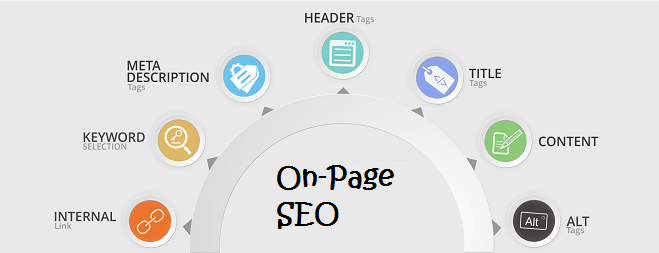
On-page SEO refers to the practice of optimizing various elements directly on your website to make it more search engine and user-friendly. These elements include content, keywords, title tags, meta descriptions, URLs, images, internal links, and overall page structure. Unlike off-page SEO, which focuses on external signals like backlinks, on-page SEO gives you direct control over the optimizations.
1. Helps Search Engines Understand Content
Search engine crawlers rely on signals such as keywords, headers, and meta tags to determine what a page is about. On-page SEO ensures that these signals are clear and well-structured. For example, if your page is optimized around the keyword “best coffee shops in London”, search engines can quickly recognize its relevance and rank it accordingly.
2. Improves User Experience
On-page SEO isn’t just about pleasing search engines; it’s about creating a positive experience for users. Fast-loading pages, well-organized headings, and relevant internal links all contribute to smoother navigation. When visitors find your content valuable and easy to consume, they’re more likely to stay longer, lowering bounce rates and signaling to Google that your site is worth ranking. If you are aiming to boost search visibility, effective on-page SEO is essential for higher rankings. Work with a leading SEO company in London to apply strategies that drive real results.
3. Optimizes Content for Keywords
Keywords remain central to SEO. On-page optimization ensures that your primary and secondary keywords are strategically placed in titles, headers, body content, image alt text, and URLs. This not only improves relevance but also helps capture long-tail search queries. For example, targeting “affordable SEO services in London” instead of just “SEO services” can attract more qualified traffic.
4. Supports Mobile-Friendly Design
Mobile-first indexing is now the standard for Google. On-page SEO includes ensuring that your site is responsive, meaning it looks and functions well on all devices. Mobile optimization directly impacts rankings, as poor mobile experiences often lead to higher bounce rates and lower engagement.
5. Boosts Page Loading Speed
Page speed is a crucial ranking factor. On-page SEO techniques like compressing images, minimizing code, and leveraging browser caching help reduce load times. A faster website improves user satisfaction, reduces abandonment rates, and increases the likelihood of higher rankings in search results.
6. Improves Click-Through Rates (CTR)
Meta titles and descriptions play a big role in whether users click your link on SERPs. An optimized meta description that includes your target keyword and provides a compelling call-to-action can significantly improve CTR. Search engines consider CTR as a sign of relevance, which can further improve rankings.
7. Builds Content Relevance and Authority
High-quality, optimized content establishes your authority in your niche. When users find your page informative and aligned with their search intent, it boosts dwell time and encourages sharing. Over time, this helps position your website as a trusted source, indirectly improving your rankings.
Key Elements of On-Page SEO
To understand why on-page SEO is important, let’s break down the key elements you need to focus on:
- Title Tags: Include target keywords naturally and keep them under 60 characters.
- Meta Descriptions: Write clear, keyword-rich descriptions under 160 characters.
- Headers (H1, H2, H3): Organize content logically with headings that include relevant keywords.
- URL Structure: Use short, descriptive, keyword-focused URLs.
- Content Quality: Focus on relevance, originality, and readability.
- Internal Linking: Guide users to related content on your site, improving navigation and crawlability.
- Image Optimization: Use descriptive alt text and compressed files for faster load times.
- Mobile Optimization: Ensure responsive design for all devices.
- Page Speed Optimization: Reduce unnecessary scripts, enable caching, and use a reliable hosting provider.
Each of these elements enhances both user experience and search engine understanding, making them critical for ranking success. If you are aiming to improve your Google rankings, focusing on on-page SEO ensures your content is optimized for both users and search engines. For this, you need to hire expert from professional SEO Company in London that incorporate all strategies and rank your site.
Common Mistakes in On-Page SEO
While implementing on-page SEO, businesses often make mistakes that hurt their performance. Some of the most common include:
- Keyword Stuffing: Overusing keywords makes content unnatural and can lead to penalties.
- Duplicate Content: Reusing the same content across multiple pages dilutes ranking potential.
- Ignoring Image Alt Text: Failing to optimize images reduces accessibility and visibility in image search.
- Weak Internal Linking: Missing opportunities to connect related pages weakens site structure.
- Neglecting Mobile Optimization: With mobile-first indexing, this can significantly impact rankings.
Avoiding these mistakes ensures that your on-page SEO works effectively.
Conclusion
On-page SEO is the foundation of a successful ranking strategy. It ensures that search engines can understand your content, while also providing users with a seamless, valuable experience. From optimizing titles and meta descriptions to ensuring fast load speeds and mobile responsiveness, on-page SEO addresses the very elements that make a website rank-worthy. Without proper on-page optimization, even the best off-page efforts or paid campaigns won’t deliver long-term results. Businesses that prioritize on-page SEO not only boost their search visibility but also build credibility, trust, and authority in their industries.
 Website SEO
Leave a comment