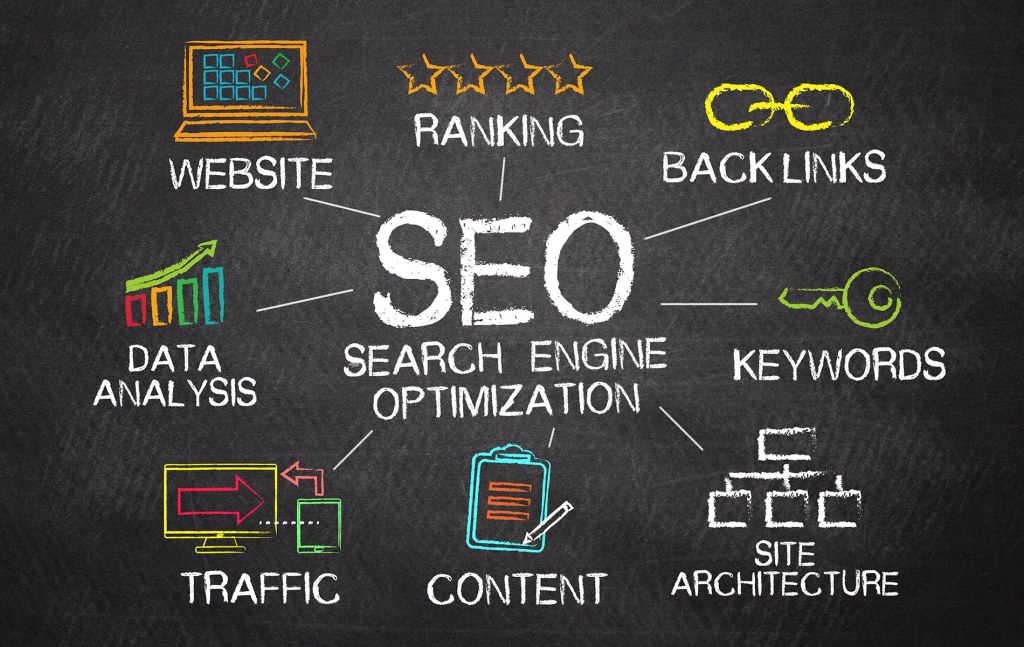
Google frequently updates its algorithms to ensure users receive the most relevant and high-quality results. While these updates improve the search experience, they can also cause a sudden drop in website traffic and rankings for businesses.
If your site has been affected, it doesn’t mean your SEO efforts have gone to waste, it simply means it’s time to adapt and refine your strategy. Recovering from a Google algorithm update requires a proactive approach, patience, and a focus on long-term improvements rather than quick fixes.
Let’s dive into how you can recover effectively and future-proof your website.
Understanding Google Algorithm Updates
Before you can recover, it’s important to understand why Google rolls out these updates. Each algorithm change is designed to prioritize websites that deliver high-quality content, fast performance, mobile-friendliness, and a strong user experience. Some updates focus on specific issues, like spammy backlinks or low-quality content, while others (known as core updates) make broad changes across search rankings. Recognizing which type of update has impacted your site is the first step toward recovery.
1. Identify the Update and Its Impact
The first step in recovery is figuring out which Google update affected your site. You can track algorithm changes through resources like Google Search Central, SEO news blogs, or algorithm update trackers. Once identified, analyze your website’s performance in Google Analytics and Search Console.
Look for sudden drops in impressions, clicks, or ranking for specific keywords. This analysis helps you pinpoint which areas of your SEO strategy need improvement, whether it’s content quality, backlinks, or technical SEO. By investing in professional SEO services, you can boost visibility, enhance user engagement, and drive more conversions for your brand.
2. Audit Your Content Thoroughly
One of the most common reasons for ranking drops is thin, outdated, or irrelevant content. Google prioritizes content that is helpful, trustworthy, and comprehensive. Conduct a content audit to evaluate every page on your website. Ask yourself:
- Does this content fully answer the user’s query?
- Is it well-structured and easy to read?
- Does it provide unique insights, or is it similar to competitors’ content?
Update old posts with fresh information, add relevant keywords naturally, and ensure that content aligns with user intent. Long-term recovery often begins with improving content quality.
3. Enhance Your Website’s User Experience
Google places a heavy emphasis on user experience (UX). Factors like page load speed, mobile responsiveness, and navigation all affect rankings. Use tools like Google PageSpeed Insights or Core Web Vitals reports to test your site’s performance. Optimize images, reduce unnecessary code, and ensure your design works smoothly on all devices. A seamless user experience not only helps rankings but also improves engagement and conversion rates.
4. Evaluate and Clean Up Backlinks
Backlinks remain an important ranking factor, but not all links are good for SEO. If your site has a history of spammy, irrelevant, or low-quality backlinks, an algorithm update may penalize you. Use tools like Ahrefs, SEMrush, or Google Search Console to audit your backlink profile. Disavow harmful links and focus on earning high-quality backlinks from reputable sites through guest posts, collaborations, or digital PR. A healthy link profile signals credibility to Google.
5. Optimize for E-A-T (Expertise, Authoritativeness, Trustworthiness)
Google’s algorithms often evaluate content based on E-A-T principles, especially in industries like health, finance, or law. To improve E-A-T:
- Add author bios with credentials.
- Cite reliable sources in your content.
- Ensure your website has clear contact details and privacy policies.
- Collect and display positive reviews or testimonials.
By establishing authority and trust, you increase your chances of recovering from ranking drops and gaining long-term visibility.
6. Strengthen Technical SEO
Even great content can struggle to rank if your website has technical issues. Run a technical SEO audit to check for:
- Broken links or 404 errors.
- Duplicate content.
- Poor site structure.
- Missing meta tags and alt text.
Fixing these issues makes your site easier for search engines to crawl and index. Structured data (schema markup) can also give Google a better understanding of your site, increasing the chances of appearing in rich snippets.
7. Focus on Keyword Intent and Relevance
Many websites lose rankings after updates because their content does not match user intent. For example, if someone searches for “best budget smartphones,” they expect a comparison or review, not a sales pitch. Revisit your keyword strategy and align it with user intent, informational, navigational, or transactional. Update titles, meta descriptions, and headings to reflect intent naturally while avoiding keyword stuffing.
8. Monitor, Adapt, and Be Patient
Recovery from a Google algorithm update rarely happens overnight. It takes consistent effort and patience. Continue monitoring your site’s performance through analytics, keep an eye on competitors, and adapt to ongoing SEO trends. Remember, every update is an opportunity to strengthen your website and improve its long-term resilience. Our expert SEO services help businesses improve search rankings, attract qualified traffic, and achieve long-term online growth.
9. Future-Proofing Against Google Updates
While you cannot predict every algorithm change, you can protect your website from major setbacks by focusing on fundamentals:
- Create high-quality, original, and helpful content.
- Build a secure, fast, and mobile-friendly website.
- Earn backlinks naturally from reputable sources.
- Stay updated on Google’s SEO guidelines.
By prioritizing users and delivering genuine value, your website will remain strong, even when new updates roll out.
Conclusion
A Google algorithm update may feel overwhelming, but it’s not the end of your SEO journey, it’s a chance to refine your strategy. By identifying the update’s impact, improving content quality, strengthening backlinks, enhancing user experience, and focusing on E-A-T, your site can recover and even perform better than before. The key is consistency and adaptability. Remember, Google’s ultimate goal is to serve users with the best possible results. If your website aligns with that goal, recovery is not just possible, it’s inevitable.
 Website SEO
Leave a comment