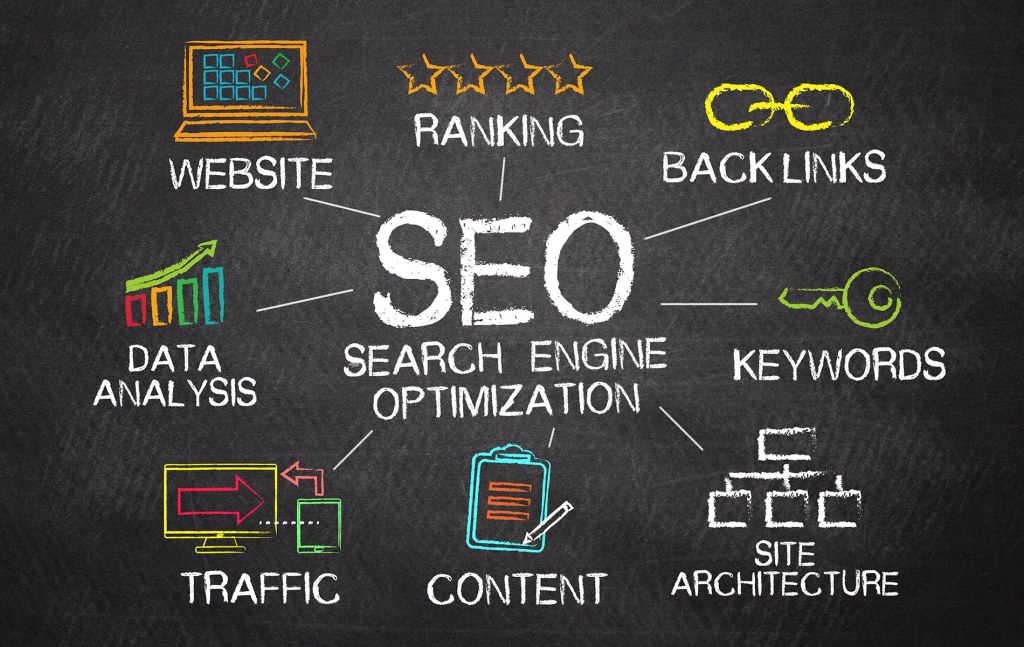
Publishing new content regularly is essential for maintaining an active online presence, but your old blog posts hold just as much, if not more, potential to drive long-term organic traffic. Over time, search engine algorithms evolve, user intent changes, and keywords shift in popularity. That means posts written a year or two ago might not perform as well as they once did. Fortunately, by optimizing your existing content, you can boost rankings, attract new readers, and strengthen your site’s overall SEO performance.
Here are 8 effective ways to optimize old blog posts for better SEO results.
1. Refresh and Update the Content
The first step in optimizing old blog posts is to ensure the information is accurate, relevant, and up to date. Outdated statistics, obsolete strategies, or broken references can hurt your credibility and rankings.
What to do:
- Replace old statistics with the latest data from credible sources.
- Add new examples, tools, or techniques relevant to current trends.
- Remove or rewrite sections that are no longer applicable.
- Check for broken links and replace them with active, high-quality sources.
Updating your content signals to Google that your page is fresh and relevant, which can lead to improved rankings and increased engagement. Partnering with professional SEO services can help you transform outdated content into high-performing assets that drive consistent organic traffic.
2. Improve Keyword Targeting
When you first published your post, your keyword strategy might not have been as strong or refined as it is now. Revisiting keyword targeting can give your old posts a second life.
What to do:
- Use updated SEO tools like Google Keyword Planner, Ahrefs, or SEMrush to identify new keyword variations with better search volume and lower competition.
- Incorporate long-tail keywords that align with current user search intent.
- Naturally integrate the keywords into headings, subheadings, and throughout the content without keyword stuffing.
By aligning your blog post with today’s search patterns, you can attract a more relevant audience and boost organic visibility.
3. Optimize Meta Titles and Descriptions
Your meta title and description are the first things users see in search engine results. An outdated or poorly written snippet can reduce your click-through rate (CTR), even if your page ranks well.
What to do:
- Rewrite meta titles to include primary keywords while maintaining a natural tone.
- Make descriptions engaging and action-oriented—think of them as mini ads for your content.
- Keep meta titles under 60 characters and descriptions under 160 characters for ideal display in search results.
An updated and compelling meta description can significantly improve your CTR, leading to better overall SEO performance.
4. Enhance Readability and Structure
User experience plays a major role in SEO today. If your older content is hard to read—long paragraphs, poor formatting, or no visuals, it’s time for a makeover.
What to do:
- Break long paragraphs into smaller chunks (2–4 lines).
- Use H2s, H3s, bullet points, and numbered lists for clear structure.
- Add visuals like images, infographics, or embedded videos to improve engagement.
- Use short, clear sentences that are easy to read and understand.
Better readability keeps visitors on your page longer, reduces bounce rate, and signals to Google that your content is valuable.
5. Add Internal and External Links
Linking is one of the most powerful SEO strategies that can enhance both authority and usability.
Internal links:
Link your old posts to newer relevant articles on your site. This strengthens site architecture, helps search engines crawl pages more efficiently, and distributes page authority across your website.
External links:
Include links to reputable and updated sources that enhance credibility. Avoid linking to outdated or irrelevant websites, as this can weaken your content’s value.
By strategically adding internal and external links, you create a web of interconnected information that boosts both SEO and user experience.
6. Optimize Images and Multimedia
Images and videos can significantly improve engagement, but they must be optimized for SEO to deliver the best results.
What to do:
- Compress large image files to reduce page load time.
- Use descriptive filenames and alt text with relevant keywords.
- Add captions where appropriate for better context.
- Consider replacing outdated visuals with fresh, high-quality ones.
Optimized multimedia elements not only enhance page speed but also help your blog appear in Google Image Search, bringing in additional traffic.
7. Update the Call to Action (CTA)
Old CTAs may no longer align with your current goals or offerings. Whether you want readers to subscribe to a newsletter, download a resource, or contact your business, your CTA must reflect your present marketing strategy.
What to do:
- Replace outdated CTAs with ones that match your current campaigns.
- Use clear and action-oriented phrases like “Download the free guide,” “Get a free consultation,” or “Start your trial today.”
- Test different CTA placements, such as at the beginning, middle, or end of the post—to see what drives the best conversions.
A refreshed CTA ensures your content continues to support your business objectives effectively.
8. Re-Promote and Re-Index the Post
Once you’ve optimized your old post, it’s time to reintroduce it to your audience and make sure search engines notice the changes.
What to do:
- Share the updated post across social media channels, newsletters, and forums.
- Submit the URL for re-indexing in Google Search Console to help Google crawl the updated version faster.
- Add a note at the top or bottom of the post stating that it has been updated, which builds transparency and trust with readers.
Promoting your newly optimized post can help regain lost traffic and attract fresh visitors who may have missed it the first time around. With the expertise of professional SEO services, your website can achieve better visibility, stronger rankings, and improved user engagement across all search engines.
Why Optimizing Old Posts Matters?
Refreshing and optimizing old content is one of the most efficient SEO strategies because it leverages work you’ve already done. Instead of constantly chasing new ideas, improving existing ones allows you to:
- Boost rankings for keywords you already rank for.
- Increase website traffic without producing new content from scratch.
- Strengthen domain authority by maintaining high-quality pages.
- Improve user engagement and conversion rates.
Search engines value fresh, well-maintained content, and by keeping your blog posts relevant, you build trust, authority, and consistency in your niche.
Final Thoughts
Your old blog posts are like hidden gems waiting to shine again. By following these eight optimization strategies, you can breathe new life into your existing content, improve visibility, and achieve sustainable SEO growth. Remember, SEO success isn’t just about publishing new content, it’s about making sure your existing content continues to perform at its best. So, revisit your archives, refine your posts, and watch as your updated content climbs the search rankings once more.
 Website SEO
Leave a comment