• Why Should E-Commerce Stores Focus on SEO Optimization?

    In today’s competitive digital marketplace, running an e-commerce store is about more than just listing products online, it’s about being discovered by the right customers at the right time. Search Engine Optimization (SEO) plays a critical role in ensuring your store ranks higher on search engines, attracts targeted traffic, and drives consistent sales.

    Unlike paid ads that deliver temporary results, SEO builds long-term visibility and trust for your brand. By focusing on SEO optimization, e-commerce businesses can improve user experience, boost conversions, and create sustainable growth. Let’s explore eight reasons why SEO is vital for e-commerce success.

    Top 8 Reasons E-Commerce Stores Should Focus on SEO Optimization

    Running a successful e-commerce store in today’s digital marketplace requires much more than simply listing products online. With thousands of competitors selling similar items, standing out to your target audience is a constant challenge. While paid advertising can bring traffic, it often requires a large budget and only delivers short-term results. SEO optimization helps e-commerce stores rank higher on search engines like Google, attract qualified traffic, and ultimately increase sales.

    Below are eight powerful reasons why focusing on SEO optimization can transform your e-commerce business.

    1.     Increase Online Visibility

    In the crowded digital world, visibility is everything. When potential customers search for products, they often don’t look beyond the first page of results. If your store does not appear in those top positions, you are losing valuable opportunities to competitors. SEO ensures that your products and categories are properly indexed, keywords are targeted effectively, and your site shows up when people are searching for what you sell.

    More visibility means more opportunities for brand recognition and sales. By investing in professional SEO services, you can boost visibility, build brand credibility, and enjoy sustainable results without relying heavily on paid ads.

    2.     Drive High-Quality, Targeted Traffic

    Unlike traditional advertising that casts a wide net, SEO focuses on connecting with users who are already actively searching for your products. For example, if someone types “affordable wireless headphones” into Google, they are clearly interested in purchasing. By optimizing your product pages for such keywords, you attract buyers who are at the decision-making stage. This type of organic traffic is more valuable because it leads to higher conversion rates and better return on investment.

    3.     Achieve Long-Term Sustainability

    Paid ads stop generating clicks the moment you stop funding them, but SEO delivers lasting results. A well-optimized e-commerce site can maintain rankings for months or even years with only occasional updates. This makes SEO a sustainable strategy that ensures long-term traffic growth. By investing in SEO today, you’re building a foundation that continues to support your business tomorrow.

    4.     Improve User Experience

    Search engines like Google prioritize websites that offer smooth navigation, fast loading times, mobile-friendly layouts, and clear content. These are also the same features customers appreciate while shopping online. When product pages load quickly, descriptions are detailed, and the checkout process is simple, users are more likely to stay and complete a purchase. SEO optimization naturally improves these elements, creating a win-win for both search engines and shoppers.

    5.     Build Brand Credibility and Trust

    Appearing on the first page of Google is often seen as a sign of authority and reliability. Customers tend to trust brands that rank highly because they assume these sites are more established and reputable. Through consistent SEO strategies, such as producing high-quality content, earning backlinks, and maintaining technical health, your brand builds credibility. This trust factor makes hesitant buyers more confident about purchasing from your store.

    6.     Benefit from Cost-Effectiveness

    While professional SEO services may require an initial investment, the long-term benefits far outweigh the costs. Compared to paid advertising, SEO offers a much higher return on investment because the traffic is organic and sustainable. Once your store gains strong rankings, the cost of maintaining them is significantly lower than continuously running paid ads. For small and medium-sized e-commerce businesses, SEO is an affordable way to compete with larger brands.

    7.     Gain an Edge Over Competitors

    The e-commerce industry is fiercely competitive, and chances are your competitors are already investing in SEO. If you neglect optimization, you risk losing customers to businesses that are more visible online. By continuously improving your SEO strategies, such as optimizing product descriptions, targeting long-tail keywords, and producing relevant blog content, you not only keep up with industry leaders but also find opportunities to surpass them.

    8.     Increase Conversions and Revenue

    The ultimate goal of every e-commerce store is to boost sales, and SEO plays a direct role in achieving this. Higher rankings lead to more visitors, and when those visitors are already searching for products you sell, the likelihood of conversion is much higher. SEO ensures that product pages are optimized with compelling descriptions, relevant keywords, and a smooth checkout process. All of these factors together result in higher conversion rates and increased revenue. If you are looking to increase your online visibility and attract more customers, our professional SEO services can help you achieve measurable and lasting results.

    Conclusion

    SEO optimization is not just an optional marketing strategy; it is a necessity for modern e-commerce success. From boosting visibility and attracting targeted traffic to enhancing user experience and building trust, SEO provides countless benefits that directly impact growth. It is cost-effective, sustainable, and helps your brand compete in a crowded marketplace. Most importantly, it drives higher conversions and revenue, which is the ultimate goal for any online store. In an increasingly competitive digital landscape, e-commerce businesses that invest in SEO will secure a stronger position, attract loyal customers, and build a foundation for long-term profitability.
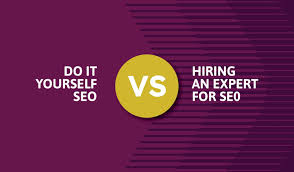
  • SEO Services vs. DIY SEO: Which Is Right for You?

    Search Engine Optimization (SEO) is one of the most important digital marketing strategies for driving organic traffic and improving online visibility. Every business owner eventually faces the question: should you hire professional SEO services or take the do-it-yourself (DIY) route? Both options have their advantages and drawbacks, but the choice largely depends on your goals, budget, expertise, and long-term vision. To help you make an informed decision, let’s explore the seven key differences between SEO services and DIY SEO.

    1.     Expertise and Knowledge

    One of the biggest differences between SEO services and DIY SEO is the level of expertise involved. Professional SEO services in London or anywhere else bring in specialists who have years of experience optimizing websites across various industries. They stay updated with algorithm changes, trends, and best practices.

    On the other hand, DIY SEO relies on the website owner’s self-learning, which can be effective for small projects but may lack the depth and precision that experts bring to the table. If you are aiming to expand your online presence, our professional SEO services in London can help you reach the right audience and achieve sustainable growth.

    2.     Time Investment

    SEO requires continuous effort, from keyword research and content optimization to technical audits and backlink building. When you choose DIY SEO, you must dedicate significant time to learning, testing, and applying strategies, which can be overwhelming if you’re already managing a business. By hiring SEO services, you free up your time to focus on core operations while professionals handle the technical and creative aspects of optimization.

    3.     Tools and Resources

    Another difference lies in the resources available. Professional SEO agencies invest in premium tools for keyword tracking, competitor analysis, and technical audits, which provide detailed insights. DIY SEO practitioners often rely on free tools, which can be helpful but may not deliver the same level of accuracy or depth. Access to advanced SEO tools gives agencies a competitive edge in identifying opportunities and resolving issues quickly.

    4.     Cost Considerations

    When comparing SEO services and DIY SEO, cost becomes a major factor. DIY SEO is initially more affordable since you avoid paying agency fees. However, this saving may come at the expense of slower progress or costly mistakes if strategies are not executed properly. Professional SEO services require a financial investment, but they often deliver faster and more sustainable results that justify the expense in terms of long-term ROI.

    5.     Strategy and Customization

    SEO is not a one-size-fits-all solution. Professional SEO services provide customized strategies tailored to your business goals, target audience, and industry competition. They analyze your website in-depth and develop an actionable roadmap. With DIY SEO, strategies are often based on general tutorials or trial-and-error methods, which may not be as effective for complex businesses or highly competitive markets.

    6.     Results and Accountability

    Another difference is in the results and accountability. Professional SEO services usually set clear KPIs (key performance indicators) and track progress with regular reports, giving you measurable proof of improvement. If something isn’t working, they can quickly adjust strategies. In contrast, DIY SEO puts the entire responsibility on you, which means results may be inconsistent and harder to measure without advanced reporting tools. If you are a business owner looking for expert SEO services in London, we provide tailored strategies to boost your visibility and drive measurable results.

    7.     Long-Term Sustainability

    Finally, there is the matter of long-term sustainability. SEO is not about quick wins but consistent efforts that build authority over time. Professional SEO services ensure strategies are future-proof and aligned with search engine guidelines, reducing the risk of penalties. DIY SEO may yield short-term improvements but can be difficult to sustain without constant updates, monitoring, and expertise.

    Conclusion

    Choosing between SEO services and DIY SEO depends on your business size, resources, and long-term vision. DIY SEO can work well for startups with limited budgets or individuals eager to learn the ropes. However, for businesses aiming to achieve faster, more reliable, and scalable results, professional SEO services offer unmatched expertise, resources, and accountability. By understanding these seven differences, you can make a decision that aligns with your goals and helps your website achieve higher rankings in an increasingly competitive digital space.

  • How to Optimize Product Pages for Higher Ranking?

    When it comes to e-commerce, your product pages are the heart of your online business. No matter how well your website looks, if your product pages don’t rank in search engines, potential customers may never even see them. Optimizing these pages for SEO not only increases visibility but also boosts conversions and sales.

    Search engines prioritize relevance, structure, and user experience, so it’s essential to craft product pages that are both search-friendly and customer-focused. In this blog, we’ll explore seven practical ways to optimize your product pages for higher ranking.

    1.     Use SEO-Friendly Product Titles and URLs

    Your product titles and URLs are among the first elements that search engines and users see. A clear, keyword-rich title helps search engines understand what the page is about, while also attracting clicks from potential buyers. Instead of vague titles like “Shoes Model 123”, use descriptive ones such as “Men’s Black Leather Running Shoes, Lightweight and Durable”. This not only highlights the main keywords but also showcases the unique selling points. If you’re looking for expert SEO services in London, our team helps businesses boost visibility, drive traffic, and achieve higher rankings.

    2.     Write Unique and Detailed Product Descriptions

    One of the most common mistakes e-commerce stores make is using generic or manufacturer-provided descriptions. Search engines often penalize duplicate content, which means your product may struggle to rank if hundreds of other websites use the same wording. Writing unique, keyword-optimized descriptions for each product ensures that your content stands out.

    A well-crafted description should go beyond just listing features; it should explain the benefits of the product and answer customer questions. Including primary and secondary keywords naturally in the text further boosts rankings while maintaining a natural flow.

    3.     Optimize Product Images with Alt Text and Compression

    Images play a vital role in product pages, as they influence both user experience and SEO. High-quality visuals build trust and encourage purchases, but they must be optimized to ensure faster page load times. Compressing images without compromising quality reduces loading delays, which directly impacts search rankings and user satisfaction.

    Additionally, search engines can’t “see” images the way humans do, so adding descriptive alt text is essential. Alt text not only makes your site more accessible but also helps product images appear in image search results, opening another channel for potential traffic.

    4.     Incorporate Customer Reviews and Ratings

    Customer reviews are powerful both for building trust and for SEO. Search engines value fresh, user-generated content, and reviews provide exactly that. When customers share their experiences, they often use natural language and long-tail keywords that can boost your search visibility.

    For example, a customer might write, “These shoes are great for marathon training”, which naturally introduces the keyword “marathon training shoes.” By encouraging reviews and displaying ratings, you not only improve ranking potential but also increase conversion rates, since most buyers trust peer feedback more than promotional content.

    5.     Improve Page Speed and Mobile Responsiveness

    User experience is a major factor in SEO rankings, and nothing affects it more than page speed. Slow-loading product pages drive customers away and signal to search engines that your site isn’t user-friendly. According to Google, even a one-second delay in page load time can lead to a significant drop in conversions.

    To optimize speed, compress images, use a content delivery network (CDN), and minimize unnecessary scripts. Equally important is ensuring mobile responsiveness. With the majority of shoppers browsing on mobile devices, a product page that doesn’t display properly on smaller screens will not only lose customers but also rank lower in mobile search results.

    6.     Add Structured Data (Schema Markup)

    Structured data, or schema markup, helps search engines better understand your product pages. By adding schema, you can display rich snippets in search results, such as star ratings, price, and product availability. These rich snippets make your listing more attractive to users and can significantly improve click-through rates.

    For example, instead of just showing your product name and URL in search results, schema can display “Men’s Black Leather Running Shoes – $89.99 – In Stock – ★★★★★ (120 reviews). This extra detail increases visibility, builds trust, and encourages more clicks, which ultimately boosts rankings.

    7.     Strengthen Internal Linking and Navigation

    Internal linking helps search engines crawl your site effectively and allows customers to discover related products. A well-structured navigation system and smart linking strategy guide users toward complementary items, increasing average order value while improving SEO.

    For instance, on a product page for running shoes, you could add internal links to related categories such as “running socks” or “sports apparel.” This not only helps customers but also signals to search engines that your website has a strong, interconnected content structure. With tailored strategies and proven results, our SEO services in London are designed to grow your online presence and maximize ROI.

    Conclusion

    Optimizing product pages for higher rankings is about striking the right balance between SEO best practices and user experience. From crafting keyword-rich titles to adding structured data, every element contributes to stronger visibility and improved sales. By implementing these seven strategies, optimizing titles and URLs, writing unique descriptions, improving images, leveraging customer reviews, enhancing speed and responsiveness, using schema markup, and strengthening internal linking, you can create product pages that stand out both in search results and in the eyes of your customers. In today’s competitive e-commerce landscape, overlooking product page optimization means losing valuable traffic and sales. But with consistent effort, your optimized pages can drive long-term growth, build customer trust, and secure higher search engine rankings.

  • Why Title Tags and Meta Descriptions Are Important for SEO

    When we think about SEO, our minds often jump to backlinks, keyword research, or technical optimization. While these are all important, one of the most underrated yet impactful elements of SEO lie in title tags and meta descriptions. These short snippets of text serve as your website’s first impression in search results.

    A powerful title tag attracts attention, while a compelling meta description convinces users to click. Together, they can significantly improve your visibility, traffic, and engagement. In this blog, we’ll discuss 8 reasons why title tags and meta descriptions are essential for SEO and how they impact your website’s performance.

    1.     It Defines What Your Page Is About

    The title tag is one of the first signals search engines look at to understand what a page is about. By including relevant keywords naturally, you tell search engines how to categorize your content. Similarly, the meta description summarizes the content for users, making it clear what they’ll find after clicking. When both are written with clarity and purpose, they create alignment between search engines and users, boosting your chances of ranking higher and attracting the right audience.

    2.     It Influences Search Engine Rankings

    While meta descriptions themselves aren’t a direct ranking factor, title tags carry significant weight in search algorithms. Placing your primary keyword naturally in the title tag shows search engines that your page is relevant to a query.

    For example, if your target keyword is “best SEO practices,” a title like “10 Best SEO Practices to Improve Rankings” has a better chance of ranking than a vague title such as “SEO Tips.” In short, optimized title tags strengthen your ranking potential, which directly impacts organic visibility. By investing in the Best SEO services, you ensure better visibility, more traffic, and measurable business results.

    3.     It Improve Click-Through Rates (CTR)

    A higher ranking alone doesn’t guarantee traffic. Users need a reason to click your link, and that’s where title tags and meta descriptions come in. The title tag grabs attention, while the meta description persuades users by highlighting the value of your content. A compelling snippet can make your listing more attractive than others, even if they rank higher.

    For instance, a meta description like “Learn actionable SEO tips that can double your website traffic in 30 days” is more persuasive than a generic one like “SEO strategies explained.”

    Higher CTR signals to search engines that users find your page valuable, which can indirectly boost rankings over time.

    4.     It Enhance User Experience

    SEO isn’t just about pleasing algorithms; it’s also about delivering the best experience to users. Title tags and meta descriptions set expectations before a visitor even lands on your site. If your snippet is accurate and engaging, users are more likely to stay longer, explore your content, and trust your brand.

    On the other hand, misleading or vague descriptions lead to quick exits, increasing bounce rates. By ensuring your title tags and meta descriptions reflect your actual content, you not only attract the right audience but also improve satisfaction and trust.

    5.     It Differentiate You from Competitors

    In competitive search results, standing out is key. Title tags and meta descriptions give you the opportunity to showcase your unique value. For example, if several websites rank for “affordable web design services,” your snippet could highlight a unique selling point like “Affordable Web Design Services, Free Consultation Included.” This small difference can be the deciding factor for users when choosing which result to click. By crafting distinct and persuasive snippets, you gain an edge over competitors.

    6.     It Support Branding Efforts

    Consistently including your brand name in title tags or crafting descriptions that reflect your brand’s voice helps strengthen recognition. Users who repeatedly see your brand in search results begin to associate it with authority and trust.

    For example, a title like “SEO Tools for Small Businesses, BrandName” not only communicates relevance but also reinforces brand identity. Over time, this builds credibility and encourages repeat visits.

    7.     It Boost Social Sharing Impact

    When your content is shared on platforms like Facebook, LinkedIn, or Twitter, the title tag and meta description often appear in the preview. A weak or auto-generated snippet can make your content look unappealing, reducing clicks and shares.

    On the other hand, a well-optimized snippet increases engagement on social platforms, driving more referral traffic back to your site. This not only broadens your reach but also indirectly benefits your SEO by sending positive user signals.

    8.     It Prevent Missed Opportunities

    Neglecting title tags and meta descriptions means leaving your first impression to chance. Search engines may auto-generate snippets by pulling random text from your page, which often results in confusing or irrelevant previews.

    This can hurt both rankings and CTR. By proactively writing unique, optimized snippets for every page, you ensure that your website always puts its best foot forward. Each page becomes a targeted opportunity to attract and convert users.

    9.     Best Practices to Optimize Title Tags and Meta Descriptions

    Now that we’ve covered why they’re important, here are some quick tips to optimize them effectively:

    • Keep title tags within 50–60 characters to avoid truncation.
    • Use your primary keyword naturally near the beginning of the title.
    • Write meta descriptions between 150–160 characters for maximum visibility.
    • Focus on benefits and solutions in meta descriptions.
    • Incorporate calls-to-action (CTAs) like “Learn more,” “Discover,” or “Get started.”
    • Ensure uniqueness for every page on your site.

    If you are aiming for higher rankings and long-term digital growth, choosing the Best SEO services can transform your online presence.

    Conclusion

    Title tags and meta descriptions may be small elements of your website, but their influence on SEO is massive. They define your page for search engines, improve rankings, boost click-through rates, and enhance user experience. More importantly, they give you the opportunity to stand out in competitive results, strengthen branding, and maximize both search and social visibility. By optimizing these elements with clarity, relevance, and persuasion, you turn simple snippets into powerful tools that attract traffic and improve SEO performance. Remember, in the digital world, first impressions matter and title tags and meta descriptions are your chance to make them count.

  • How Do Search Engines Rank Websites?

    Search engines like Google and Bing act as digital gateways, connecting people with the information, products, and services they need. But what determines which websites appear on the first page and which remain buried in the depths of search results? The answer lies in a complex process of algorithms, signals, and strategies that search engines use to evaluate websites.

    To succeed online, businesses must understand these factors and optimize their sites accordingly. Here are seven key ways search engines rank websites and how you can improve your chances of appearing higher in search results.

    1.     Content Quality and Relevance

    At the heart of search engine rankings lies content. Search engines want to provide users with the most useful and accurate answers to their queries. Pages with high-quality, original, and detailed content are more likely to rank well. Content should be structured with clear headings, written in simple language, and updated regularly. Search engines also analyze keyword usage to determine if your content matches the intent of the query. However, it’s not about stuffing keywords anymore, it’s about offering valuable and relevant information that satisfies the user’s needs.

    2.     Backlinks and Authority

    Backlinks, or inbound links from other websites, act like votes of confidence. When a reputable website links to your page, search engines view your content as more trustworthy and authoritative. The more high-quality backlinks you earn, the higher your chances of ranking well. Not all backlinks are equal, though, links from spammy or irrelevant sites can actually harm your SEO. This is why building relationships, creating shareable content, and earning mentions from authoritative sources are crucial for improving rankings. If you are looking to grow your online presence and drive more traffic, choosing the Best SEO services can help you achieve higher rankings and long-term success.

    3.     Technical SEO and Site Performance

    Search engines also pay attention to the technical health of your website. A well-structured site that loads quickly, has secure HTTPS encryption, and is mobile-friendly will perform better. Search engine bots need to crawl and index your site efficiently, so clear URL structures, proper internal linking, and a sitemap are essential. If your website suffers from issues like broken links, duplicate content, or slow speed, your rankings may drop because these errors create a negative user experience.

    4.     User Experience (UX) Signals

    Search engines don’t just evaluate your website but they also observe how users interact with it. Factors like bounce rate, time on page, and click-through rate indicate whether visitors find your content valuable. A positive user experience means visitors stay longer, explore multiple pages, and engage with your content. Clean design, intuitive navigation, and engaging visuals all contribute to better UX, which in turn boosts your chances of ranking higher.

    5.     Keyword Optimization and Search Intent

    While keyword optimization has evolved, it still plays a vital role in rankings. Search engines use keywords to understand the topic of a page. However, what matters most today is aligning your keywords with search intent. There are four main types of search intent: informational, navigational, transactional, and commercial investigation. For example, if someone searches “how to bake a cake,” they want instructions, not a sales page. By targeting the right keywords and creating content that matches intent, you increase your chances of ranking higher. If you are struggling to reach your target audience, the Best SEO services will optimize your website and boost visibility across search engines.

    6.     E-A-T: Expertise, Authoritativeness, and Trustworthiness

    Google emphasizes the concept of E-A-T, Expertise, Authoritativeness, and Trustworthiness, especially for content that affects people’s health, finances, or safety. Websites should showcase expertise by providing accurate, well-researched content. Authoritativeness comes from being recognized in your industry, often through strong backlinks or brand reputation. Trustworthiness is built through secure websites, transparent policies, and reliable information. Websites that demonstrate E-A-T are more likely to rank well because they give users confidence in the content.

    7.     Artificial Intelligence and Algorithm Updates

    Search engines use artificial intelligence and machine learning to refine how they rank websites. This means websites should focus less on rigid keyword placement and more on natural, conversational language. Algorithm updates also play a major role. Updates like Panda, Penguin, and the Helpful Content Update were introduced to improve content quality, reduce spam, and prioritize user-focused websites. Staying informed about these changes helps businesses adapt their SEO strategies and maintain strong rankings.

    Conclusion

    So, how do search engines rank websites? The answer lies in a combination of content quality, backlinks, technical SEO, user experience, keyword optimization, E-A-T, and evolving AI-driven algorithms. Each of these factors works together to determine which websites deserve a top spot on the search engine results page. For businesses, this means that ranking well is not about shortcuts but about building a valuable, trustworthy, and user-friendly website. By focusing on creating high-quality content, improving technical performance, earning strong backlinks, and aligning with search intent, you can steadily climb the rankings and ensure your audience finds you when they need you most.

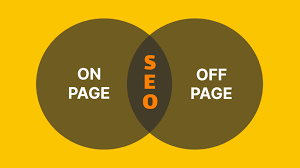
  • What Is the Difference Between On-Page and Off-Page SEO

    Search Engine Optimization (SEO) is essential for improving online visibility, boosting website traffic, and achieving higher search engine rankings. However, SEO is not a single strategy, it is divided into two core categories: on-page SEO and off-page SEO. Both serve the same purpose but approach it differently. On-page SEO focuses on internal website elements, while off-page SEO emphasizes external factors that influence credibility and authority. To better understand their role in digital marketing, let’s explore the seven key differences between on-page and off-page SEO.

    1.     Focus of Optimization

    The first difference is where the optimization efforts are directed. On-page SEO focuses entirely on elements within your own website, such as content quality, keyword placement, and technical improvements like page speed and mobile responsiveness. The aim is to make your site user-friendly and search engine-friendly.

    Off-page SEO, however, focuses on external activities like link building, guest blogging, social media marketing, and influencer outreach. While on-page SEO strengthens your website internally, off-page SEO builds authority and trust externally. If you’re looking to improve your website’s visibility and rankings, choosing a Professional SEO Service can help you achieve measurable results.

    2.     Control Over Strategies

    Another major difference lies in control. With On-page SEO, you have full control because all changes are implemented directly on your website. You can edit content, optimize meta tags, and improve technical performance at any time.

    Off-page SEO, on the other hand, depends on external factors. You can perform outreach and create valuable content, but you cannot directly control whether authoritative websites will link back to you or whether users will engage with your brand online. This makes on-page SEO more predictable and off-page SEO more uncertain but powerful.

    3.     Content vs. Reputation

    On-page SEO and off-page SEO also differ in their core purpose. On-page SEO is content-driven. Search engines reward websites that produce high-quality, relevant, and keyword-optimized content. The more value your content offers, the better your site ranks.

    Off-page SEO, however, is reputation-driven. It is less about the content itself and more about how others perceive and endorse your site. Backlinks from trusted sources, positive reviews, and social media mentions all enhance your reputation in the eyes of search engines, signaling that your website is credible and authoritative.

    4.     Techniques Involved

    The techniques used in each area also set them apart. On-page SEO techniques include optimizing title tags, meta descriptions, and headers, improving content structure, enhancing page load speed, ensuring mobile responsiveness, and using internal linking effectively.

    In contrast, off-page SEO techniques are centered around promotion and authority-building. These include acquiring quality backlinks, engaging in guest posting, building relationships with influencers, growing social media presence, and managing local SEO through Google Business Profile and citations.

    5.     Short-Term vs. Long-Term Impact

    The impact of each strategy also differs in terms of time. On-page SEO changes often deliver quicker results. Optimizing page titles, fixing broken links, or improving content can show visible improvements in search rankings within a few weeks.

    Off-page SEO is more long-term. Building a strong backlink profile or increasing social media engagement takes time, but the results are more sustainable. Once you establish authority through off-page efforts, it continues to benefit your site for months or even years.

    6.     Dependency on External Sources

    Another key difference lies in dependency. On-page SEO is independent, as everything can be managed within your own website. You don’t need external approval to update content, fix technical issues, or restructure your site.

    Off-page SEO, however, relies heavily on third-party validation. You need backlinks from other sites, mentions from influencers, or reviews from customers to strengthen your authority. This reliance makes off-page SEO harder to control but also crucial for long-term credibility.

    7.     Measurement of Success

    Finally, the way success is measured differs between the two. On-page SEO success can be tracked using metrics such as keyword rankings, bounce rates, organic traffic, page speed, and time spent on site. These reflect how well your website performs internally.

    Off-page SEO success, however, is measured through external indicators like the number and quality of backlinks, domain authority, brand mentions, social media shares, and reviews. These metrics show how the digital ecosystem perceives and values your website. A Professional SEO Service ensures your business gets expert strategies tailored to drive traffic, build authority, and boost online growth.

    Conclusion

    While on-page and off-page SEO differ in focus, control, techniques, and measurement, they work best when combined. On-page SEO provides the foundation by ensuring your website is optimized, fast, and full of valuable content, while off-page SEO builds trust and authority by spreading your brand’s reputation across the web. Businesses that use both strategies together are more likely to achieve sustainable growth, higher rankings, and long-term success.

  • Why Is Keyword Research the Foundation of SEO?

    In the world of digital marketing, search engine optimization (SEO) has become essential for every business aiming to strengthen its online presence. While SEO includes many factors like on-page optimization, technical improvements, link building, and content strategies, the process starts with one critical step: keyword research.

    This step is the backbone of any successful SEO campaign because it shapes the entire strategy, ensuring that your efforts are aligned with what your audience is actively searching for. But why exactly is keyword research considered the foundation of SEO? Let’s break it down.

    1.     Understanding User Intent

    At its core, SEO is about connecting your content with what people are looking for. Keyword research provides insights into user intent, the “why” behind every search query. For example, if someone searches “best running shoes,” they are likely in the research phase, comparing products. If they search “buy Nike Air Zoom Pegasus,” they are ready to make a purchase.

    By identifying keywords that reflect different stages of the customer journey, businesses can craft targeted content that meets users at the right moment. Without proper keyword research, it’s easy to create content that misses the mark and fails to attract the right audience.

    2.     Building a Data-Driven SEO Strategy

    Keyword research helps transform guesswork into strategy. Instead of randomly publishing content, businesses can use keyword data to understand:

    • Search volume (how many people search for a term monthly)
    • Competition level (how difficult it is to rank for that keyword)
    • Trends (whether the keyword is growing or declining in popularity)

    This data-driven approach allows marketers to prioritize efforts and focus on terms that provide the highest ROI. Without keyword research, SEO becomes a shot in the dark. If you are looking to grow your online presence and outrank competitors, choosing professional SEO services can make a significant difference.

    3.     Driving Qualified Traffic

    Not all website traffic is equal. While a blog post may attract thousands of visitors, it won’t matter if they’re not interested in your products or services. Keyword research ensures that the traffic coming to your website is qualified, meaning visitors are genuinely interested in what you offer.

    For instance, a bakery in London targeting “fresh cupcakes near me” will bring in local customers who are ready to make a purchase, rather than random visitors from outside the city. By targeting specific keywords aligned with your business goals, you attract the right audience and increase conversion potential.

    4.     Laying the Groundwork for Content Creation

    Content is often described as the fuel of SEO, but keyword research determines what kind of content should be created.

    • Informational keywords inspire blog posts, guides, and FAQs.
    • Navigational keywords help optimize landing pages and brand searches.
    • Transactional keywords drive product descriptions, e-commerce listings, and sales-focused content.

    With this structure, businesses can create a well-rounded content strategy that serves multiple needs and ensures maximum visibility across different types of search queries.

    5.     Beating the Competition

    Every business has competitors online, and keyword research reveals exactly how they attract traffic. By analyzing competitor websites, you can identify which keywords they rank for and spot gaps or opportunities in your own strategy.

    For example, if a competitor ranks highly for “affordable digital marketing services,” you could aim to optimize for related variations like “best digital marketing agency for small businesses.” This allows you to stand out and compete effectively without directly fighting for the most difficult keywords.

    6.     Improving On-Page SEO

    Once you know the right keywords, you can naturally integrate them into your website. This helps search engines understand what your pages are about and rank them accordingly.

    On-page SEO elements influenced by keyword research include:

    • Title tags
    • Meta descriptions
    • Headings (H1, H2, etc.)
    • Image alt text
    • Internal linking structures

    Optimizing these elements with targeted keywords increases your chances of appearing higher in search results.

    7.     Adapting to Evolving Search Trends

    Search behavior is constantly changing. Voice search, mobile queries, and AI-driven search engines like Google’s SGE are reshaping the way people look for information. Keyword research helps businesses adapt to these changes by tracking long-tail keywords, conversational queries, and trending topics.

    For example, instead of focusing only on “digital cameras,” businesses now also need to optimize for queries like “what is the best digital camera for travel blogging.” Staying updated with keyword trends ensures that your SEO strategy evolves with user behavior.

    8.     Supporting Paid Advertising Campaigns

    Keyword research doesn’t just benefit organic SEO; it’s also critical for pay-per-click (PPC) advertising campaigns. The insights gained can be applied to Google Ads, Bing Ads, and even social media campaigns to ensure your paid efforts target high-converting terms. This integration between SEO and paid marketing helps businesses maximize their visibility, attract relevant traffic, and optimize ad spend.

    9.     Enhancing Local SEO

    For small businesses and service providers, local visibility is key. Keyword research helps identify geo-targeted terms like “SEO agency in London” or “coffee shop near Oxford Street.”

    By optimizing for local keywords, businesses can improve their chances of appearing in Google’s Local Pack, Maps, and local search results, driving more foot traffic and leads. If you are struggling with low website traffic, investing in professional SEO services is the key to achieving higher visibility and consistent results.

    10.Measuring and Refining SEO Success

    Finally, keyword research provides measurable benchmarks. By tracking keyword rankings and performance over time, businesses can see what’s working and adjust their strategies accordingly.

    If a keyword isn’t driving enough traffic, you can optimize content further, build backlinks, or pivot to a better-performing alternative. This ongoing process ensures your SEO efforts continue to deliver results long term.

    Conclusion

    Keyword research is not just the first step in SEO; it’s the foundation upon which everything else is built. From understanding user intent to driving qualified traffic, shaping content, and outperforming competitors, it ensures that your strategy is precise, efficient, and aligned with your goals. For businesses aiming to grow online, skipping keyword research is like building a house without a foundation, it may stand temporarily, but it won’t last. By investing in thorough keyword analysis, you can position your brand for long-term visibility, authority, and growth in the competitive digital space.

  • How Can SEO Services Increase Website Traffic?

    In the digital era, having a beautifully designed website is only the first step toward building an online presence. What truly matters is how many people visit your site, engage with your content, and eventually turn into customers. This is where SEO services step in. Search Engine Optimization (SEO) is the backbone of online visibility, helping your website appear in search results when users look for the products, services, or information you provide. But how exactly can SEO services increase website traffic? Let’s break it down in detail.

    1.     Optimizing Your Website for Search Engines

    One of the primary goals of SEO services is to ensure that your website is optimized for search engines like Google. This includes technical improvements such as speeding up your site, ensuring mobile responsiveness, and using clean code. When search engines can easily crawl and index your site, your chances of ranking higher increase significantly. Higher rankings naturally mean more visibility, and that visibility translates into more traffic. By choosing expert SEO consulting services, you gain insights into keyword targeting, content optimization, and long-term growth for sustainable website traffic.

    2.     Keyword Research and Targeting

    SEO services rely heavily on keyword research, which involves identifying the terms and phrases your audience is searching for. By targeting relevant keywords in your content, titles, and meta descriptions, SEO experts align your website with user intent. For example, if you run a bakery, SEO professionals will help optimize for keywords like “best bakery near me” or “fresh cakes in [your city].” This ensures your site appears in front of the right people, driving targeted traffic that is more likely to convert.

    3.     Creating High-Quality Content

    Content is at the heart of SEO. Search engines prioritize websites that provide value to users, and high-quality content is the best way to achieve that. SEO services often include content strategy, blog writing, and optimization to ensure your site stays relevant and competitive. Informative articles, how-to guides, and engaging product descriptions not only attract visitors but also encourage them to stay longer on your site, which further boosts your search rankings and traffic.

    4.     Building High-Quality Backlinks

    Backlinks, or links from other reputable websites pointing to yours, are like votes of confidence in the eyes of search engines. The more quality backlinks your website earns, the more authority it gains. SEO services focus on building a strong backlink profile through guest posting, outreach, and digital PR. With higher authority, your site ranks better, and as a result, it gains increased traffic from organic searches.

    5.     Improving User Experience (UX)

    A well-optimized website doesn’t just attract visitors; it keeps them engaged. SEO services ensure that your website is easy to navigate, loads quickly, and provides a smooth user experience. Search engines measure user behavior such as bounce rate and time on site, rewarding websites that keep users satisfied. A positive user experience encourages repeat visits and word-of-mouth referrals, further increasing your traffic.

    6.     Leveraging Local SEO for Nearby Customers

    For businesses that depend on local customers, local SEO services are a game-changer. This involves optimizing your website and Google Business Profile for local searches like “restaurants near me” or “lawyers in [city].” Appearing in local map results and search listings drives foot traffic as well as website visitors. Local SEO helps smaller businesses stand out in their community and attract more nearby customers directly from search engines.

    7.     Using Analytics to Refine Strategies

    SEO isn’t a one-time task; it’s an ongoing process that involves constant monitoring and adjustments. SEO services include perfect web design, analyzing your website performance through tools like Google Analytics and Search Console. By studying metrics such as traffic sources, bounce rates, and conversions, SEO experts refine strategies to focus on what’s working. This data-driven approach ensures your traffic continues to grow steadily over time.

    8.     Long-Term Organic Growth

    One of the most significant benefits of SEO services is that the traffic generated is organic, meaning it comes without paying for every click. While paid ads may provide quick results, they stop working the moment you stop paying. SEO builds a sustainable foundation for long-term traffic growth. Once your website earns high rankings, it continues to attract visitors around the clock, making SEO a cost-effective way to increase traffic over time.

    9.     The Role of Social Signals

    Although not a direct ranking factor, social media activity can influence SEO indirectly. When your content is shared widely, it drives traffic to your site and increases the chances of earning backlinks. Many SEO services also integrate social media strategies to amplify content reach. This synergy between SEO and social media ensures your website gains more exposure and steady streams of visitors.

    10.Staying Ahead of Competitors

    The online marketplace is highly competitive, and without SEO, your competitors can easily overshadow your business. SEO services help you analyze competitor strategies, identify gaps, and outperform them in search rankings. By staying visible to your target audience and consistently improving your website’s performance, you can secure a competitive edge and attract more visitors than your rivals. If you want to grow your online presence strategically, professional SEO consulting services can guide you with tailored strategies that bring measurable results.

    Final Thoughts

    So, how can SEO services increase website traffic? By optimizing your site for search engines, targeting the right keywords, creating valuable content, building backlinks, improving user experience, and leveraging local SEO, these services ensure your business reaches the right audience. Unlike paid ads, SEO builds long-term credibility and traffic growth that compounds over time. If you’re looking to expand your digital presence and attract more customers, investing in professional SEO services is one of the smartest decisions you can make. More traffic means more opportunities to grow your business—and with the right SEO strategy, those opportunities are endless.

  • What Role Does Link Building Play in SEO Rankings?

    In the ever-evolving world of search engine optimization (SEO), businesses and digital marketers are constantly looking for strategies that deliver long-term results. Among the many factors that influence website visibility and search engine rankings, link building remains one of the most important. While algorithms change frequently, search engines like Google continue to place high value on backlinks as a measure of trust, authority, and relevance. But what exactly is link building, and why does it play such a significant role in SEO rankings?

    Understanding Link Building

    Link building is the process of acquiring hyperlinks from other websites that point back to your own. A hyperlink, or simply a link, allows users to navigate between pages on the internet. From an SEO perspective, these links serve as endorsements: when another website links to your content, it signals to search engines that your page is trustworthy and valuable. The more authoritative the linking site, the stronger the signal.

    Why Link Building Matters for SEO Rankings?

    Search engines use links as one of the top ranking factors in determining a website’s authority. Google’s original PageRank algorithm was built around the concept of links acting as “votes of confidence.” While SEO has grown more complex since then, backlinks remain central to ranking criteria.

    Websites with a strong and diverse backlink profile often outrank competitors with weaker link portfolios, even if the latter have high-quality content. This makes link building not just an optional strategy, but an essential one for businesses aiming to appear on the first page of search results.

    1.     Boosting Domain Authority

    One of the key roles of link building is improving a site’s domain authority. When authoritative websites link to your content, search engines interpret it as a sign that your website is credible and relevant. Over time, this boosts your domain authority, making it easier for your website to rank higher across multiple keywords. A strong backlink profile creates a ripple effect, enhancing visibility not only for individual pages but for your website as a whole. By choosing professional Local SEO services, businesses can boost visibility in local searches, attract nearby customers, and stay ahead of competitors.

    2.     Driving Referral Traffic

    Link building is not just about SEO; it also plays a significant role in generating direct referral traffic. When your content is linked on high-traffic websites, readers are likely to click through and visit your page. This results in qualified visitors who are genuinely interested in your content, products, or services. For example, a backlink on a leading industry blog can drive consistent referral traffic while also strengthening your search engine rankings.

    3.     Building Brand Authority and Trust

    Backlinks act as digital endorsements, and the more endorsements your website receives from reputable sources, the stronger your brand authority becomes. When users see your business mentioned on authoritative websites, they are more likely to trust your brand. Trust plays a crucial role not only in SEO but also in customer conversion. Link building therefore bridges the gap between visibility and credibility, positioning your brand as a leader in its industry.

    4.     Enhancing Content Visibility

    Great content is valuable only if people can find it. Link building enhances content discoverability by increasing the chances of your website being crawled and indexed by search engines. When your content is linked from different sources, it creates multiple pathways for users and search engine bots to access your site. This improves your content’s reach, ensuring it doesn’t get buried in the vast sea of online information.

    5.     Quality Over Quantity

    It’s important to note that not all links are equal. Search engines prioritize the quality of backlinks over sheer quantity. A single backlink from a trusted, authoritative site carries far more weight than dozens of links from low-quality or spammy sources. Google’s algorithms are sophisticated enough to identify unnatural link-building tactics, and websites engaging in such practices can face penalties. Sustainable SEO success comes from building organic, relevant, and high-quality backlinks. If you are looking to grow your business locally, investing in Local SEO services ensures your brand appears in front of the right customers at the right time.

    Types of Valuable Links

    Different types of backlinks contribute differently to SEO rankings. Editorial links from reputable websites are among the most powerful because they are earned naturally through the quality of your content. Guest posting on relevant industry blogs is another effective way to build backlinks while showcasing your expertise. Additionally, resource page links, directory submissions, and local citations can help strengthen your backlink profile when done correctly.

    1.     Link Building and Competitive Advantage

    In highly competitive industries, link building often serves as the deciding factor between two websites with equally strong content and technical SEO. If both sites provide valuable information, the one with a stronger backlink profile is more likely to rank higher. This makes link building a powerful tool for businesses looking to outperform their competitors in search engine rankings.

    2.     The Role of Anchor Text

    Anchor text, the clickable words in a hyperlink, also plays a role in SEO rankings. When used strategically, anchor text provides context to search engines about the linked page. However, over-optimization or excessive use of exact-match keywords in anchor text can appear manipulative and trigger penalties. A natural, balanced approach ensures that anchor text contributes positively to SEO performance.

    3.     Challenges in Link Building

    While link building is vital, it’s not without challenges. Acquiring high-quality backlinks requires time, effort, and strategy. Outreach campaigns can face rejection, and producing link-worthy content demands consistency and creativity. Moreover, businesses must constantly adapt to Google’s evolving algorithms, which aim to reward natural and ethical link-building practices while penalizing shortcuts.

    4.     The Future of Link Building

    As SEO evolves, so does link building. Search engines increasingly value context, relevance, and user experience. This means link building will continue to thrive, but with greater emphasis on authentic relationships, content quality, and audience engagement. Businesses that focus on creating genuinely valuable content and building organic connections will remain ahead in the SEO game.

    Conclusion

    Link building plays a central role in SEO rankings by boosting domain authority, driving referral traffic, and strengthening brand trust. It remains one of the most effective ways to improve visibility in search results, provided it is executed strategically and ethically. While challenges exist, the rewards of building a strong backlink profile are undeniable. For businesses competing in the digital landscape, link building is not just an SEO tactic, it is a long-term investment in authority, trust, and growth.

  • What’s the Difference Between DIY SEO and Professional SEO Services?

    In today’s digital world, appearing on the first page of Google is no longer a luxury, it’s a necessity. Search Engine Optimization (SEO) helps businesses build visibility, attract qualified leads, and increase revenue by improving their website’s performance in search results.

    However, when it comes to implementing SEO, business owners often face a tough decision: should they manage it themselves through DIY SEO, or should they hire experts offering professional SEO services? Both options have their advantages, but the right choice depends on your goals, resources, and level of expertise.

    This blog explores the differences between DIY SEO and professional SEO services so you can make an informed decision for your business.

    Understanding SEO in Simple Terms

    SEO, or Search Engine Optimization, is the process of improving a website so that it ranks higher on search engines like Google. It involves three major areas:

    • On-page SEO – optimizing website content, titles, and structure.
    • Off-page SEO – earning backlinks, building credibility, and increasing authority.
    • Technical SEO – ensuring site speed, mobile-friendliness, and smooth indexing.

    Since SEO is complex and continuously evolving due to algorithm updates, businesses must choose whether to invest time and effort in learning it themselves or to rely on professionals who specialize in it.

    What Is DIY SEO?

    DIY SEO means you or your team take full responsibility for optimizing your website without hiring external help. With countless tutorials, free tools like Google Search Console, and plugins like Yoast, it may feel tempting to handle SEO on your own.

    Advantages of DIY SEO:

    • Saves money by avoiding agency fees.
    • Gives you complete control over strategies and execution.
    • Helps you build personal knowledge about SEO practices.

    Challenges of DIY SEO:

    • Demands a steep learning curve and continuous updates.
    • Consumes significant time that could be spent on other business tasks.
    • Mistakes such as keyword stuffing or poor backlinks can harm rankings instead of improving them.

    DIY SEO may be suitable for startups, small businesses with very limited budgets, or entrepreneurs eager to learn, but it comes with its share of risks.

    What Are Professional SEO Services?

    Professional SEO services involve hiring an experienced agency, consultant, or freelancer to manage your website optimization. These experts use advanced strategies, tools, and techniques to improve your rankings and drive organic traffic.

    What Professional SEO Services Typically Include:

    • Keyword research and content strategy
    • Technical SEO audits to fix errors
    • On-page optimization for pages and blogs
    • High-quality link-building campaigns
    • Analytics, tracking, and ROI-focused reporting

    Advantages of Professional SEO Services:

    • Access to skilled experts who keep up with Google’s constant changes.
    • Quicker, more consistent, and scalable results.
    • Advanced paid tools and in-depth analytics for better insights.
    • Focus on ROI and long-term business growth.

    7 Key Differences Between DIY SEO and Professional SEO Services

    Here are the most important differences you should know:

    1. Cost

    DIY SEO is more budget-friendly since you mostly rely on free or basic tools. However, the hidden cost lies in the significant time and effort you must invest. Professional SEO services, while more expensive upfront, often deliver a higher return on investment by consistently driving qualified traffic and sales.

    2. Expertise

    DIY SEO depends heavily on self-learning through blogs, tutorials, or trial-and-error. This can work for beginners but leaves room for mistakes. Professional SEO is managed by experts with years of proven experience, ensuring strategies are accurate, up-to-date, and tailored for success. Many companies trust the best SEO services in London to deliver long-term digital growth with proven strategies and measurable results.

    3. Tools

    DIY SEO practitioners typically use free tools like Google Analytics, Google Search Console, or Yoast SEO, which provide only limited insights. In contrast, professionals invest in premium platforms such as SEMrush, Ahrefs, and Screaming Frog, enabling deeper analysis and more precise optimization.

    4. Time Commitment

    Managing SEO yourself requires hours of keyword research, content optimization, backlink building, and technical adjustments. This can overwhelm business owners who already wear many hats. Professional SEO services save time, as agencies or consultants handle the heavy lifting while you focus on running your business.

    5. Risk of Mistakes

    DIY SEO carries a higher risk of errors like keyword stuffing, low-quality backlinks, or ignoring technical SEO. Such mistakes can hurt your website’s visibility or even trigger search engine penalties. Professionals follow industry best practices and algorithm updates, ensuring safer, penalty-free optimization.

    6. Results

    DIY SEO often delivers slower or inconsistent results, as strategies are limited by experience and resources. Professional SEO, however, is designed to generate faster, measurable, and sustainable outcomes. Experts track performance closely and make data-driven adjustments to maximize results.

    7. Scalability

    DIY SEO becomes harder to scale as your business grows since one person or a small team can only do so much. Professional SEO services, on the other hand, are highly scalable. Agencies can expand your strategies from local to national, or even global, markets as your brand evolves.

    Which Option Should You Choose?

    The decision between DIY SEO and professional SEO services depends on your business stage, industry, and resources.

    • DIY SEO may be the right choice if:
      • You are running a new business with a very limited budget.
      • You enjoy learning digital marketing and have time to experiment.
      • Your industry is not highly competitive.
    • Professional SEO services may be the right choice if:
      • You are running a growing or established business that needs measurable results.
      • You want to compete in a crowded market where basic SEO isn’t enough.
      • You don’t have the time or expertise to manage SEO yourself.
      • You want faster, more scalable, and ROI-driven results.

    Sometimes, a hybrid approach works, start with DIY SEO to understand the basics, then transition to professional SEO services when your business is ready to scale. If you’re looking to grow your online presence, partnering with the best SEO services in London can help your business rank higher and attract more customers.

    Conclusion

    SEO is essential for any business that wants to thrive online. While DIY SEO allows you to save money and gain personal experience, it is time-consuming and comes with risks of errors and slower growth. On the other hand, professional SEO services bring expertise, advanced tools, and measurable results, making them a worthwhile investment for most businesses aiming for long-term success. Ultimately, the choice depends on your goals, resources, and timeline. If your business is ready to scale and dominate search results, professional SEO services can help you achieve results that DIY efforts often cannot.

Design a site like this with WordPress.com
Get started