
• How Does SEO Help Small Businesses Compete with Big Brands?

    In today’s digital marketplace, competition isn’t limited to local boundaries, it’s global. Big brands often dominate search engine results thanks to their vast budgets and established reputations. However, search engine optimization (SEO) has emerged as a powerful equalizer, allowing small businesses to compete effectively.

    With a well-structured SEO strategy, even small companies can attract targeted audiences, build brand authority, and increase conversions all without the massive marketing spend that large corporations can afford. Let’s explore how SEO empowers small businesses to stand shoulder-to-shoulder with big brands in the digital world.

    1.     Leveling the Playing Field in Search Rankings

    One of the greatest benefits of SEO for small businesses is that search engines don’t discriminate based on business size. Google’s algorithm rewards relevance, quality, and user experience, not the marketing budget. This means a well-optimized small business website can rank above larger competitors if it delivers more relevant content and provides better value to users.

    For example, a local bakery that targets keywords like “freshly baked cakes near me” can easily outrank a national chain when customers search locally. By focusing on targeted keywords and local search intent, small businesses can attract potential buyers who are ready to take action. If you’re aiming to improve your website’s visibility and reach more customers, professional SEO services can make a big difference.

    2.     Targeting Local Customers Through Local SEO

    Small businesses have a significant advantage when it comes to local SEO. Big brands might dominate global search results, but local businesses can focus on geo-targeted optimization — reaching customers in their immediate area.

    Optimizing for local searches involves:

    • Creating and verifying a Google Business Profile
    • Using location-based keywords (e.g., “florist in Manchester”)
    • Encouraging customer reviews
    • Ensuring consistent NAP (Name, Address, Phone) details across platforms

    This helps small businesses appear in Google’s “Local 3-Pack”, the top three map results that appear for local queries. This visibility boosts website traffic, phone inquiries and footfall without competing directly with national brands.

    3.     Building Trust and Credibility with Quality Content

    Large corporations often rely on paid advertising to stay visible, but small businesses can gain trust organically by creating valuable content. High-quality blogs, how-to guides, and FAQs not only attract visitors but also position a business as an industry authority. For instance, a small home repair company that publishes helpful DIY guides can establish credibility, making customers more likely to hire them when they need professional help.

    This type of content-driven SEO helps build a relationship with customers — something that money alone can’t buy. By maintaining a consistent blog strategy with informative, keyword-rich posts, small businesses can naturally earn backlinks and improve domain authority, further enhancing their SEO performance.

    4.     Cost-Effective Marketing Compared to Paid Ads

    Paid ads (PPC) can drive quick traffic, but they stop delivering results once the budget runs out. SEO, on the other hand, offers long-term, sustainable growth. While it requires time and effort, the investment continues to pay off for months or even years.

    For small businesses with limited marketing budgets, SEO is the most cost-efficient way to build a consistent online presence. Once your website ranks for important keywords, you’ll continue to attract organic traffic without paying for every click, something that’s nearly impossible for small brands relying solely on paid campaigns.

    5.     Enhancing User Experience (UX) for Better Conversions

    A strong SEO strategy isn’t just about keywords; it’s also about creating a great user experience. Factors like mobile responsiveness, page speed, navigation, and content readability influence both search engine rankings and customer satisfaction.

    By investing in an SEO-friendly website design, small businesses can create a smooth, engaging experience that encourages users to stay longer and convert. Even without the massive design teams big brands have, small businesses can work with professional SEO companies or web designers to create optimized, user-friendly sites that attract and retain visitors.

    6.     Focusing on Niche Markets

    Unlike big brands that target a broad audience, small businesses can use SEO to focus on niche markets, areas that large companies may overlook. This specialization allows small firms to connect with a more engaged and loyal customer base.

    For example, instead of targeting “fitness equipment,” a small company could focus on “eco-friendly yoga mats” or “customized home gym setups.” By optimizing for long-tail keywords specific to niche interests, small businesses can attract highly motivated buyers and face less competition. This approach doesn’t just improve visibility, it also enhances conversion rates, as niche customers are usually closer to making a purchase.

    7.     Leveraging Data and Analytics for Smart Growth

    SEO provides valuable insights into consumer behavior, preferences, and engagement patterns through tools like Google Analytics and Search Console. Small businesses can use this data to understand:

    • Which keywords drive the most traffic
    • What content resonates with audiences
    • Where potential customers drop off

    By analyzing these insights, small businesses can continuously refine their strategies, focus on high-performing keywords, and adapt faster than big brands bogged down by complex corporate structures. This agility gives small businesses a real competitive edge.

    8.     Strengthening Brand Awareness and Recognition

    A strong SEO strategy ensures your brand appears consistently in front of the right audience. Even if users don’t click on your website immediately, repeated exposure through search results helps reinforce your brand name.

    Over time, this visibility builds brand recall, so when customers are ready to buy, they’re more likely to choose your business. SEO also allows small companies to showcase their unique values and local connections, factors that often appeal more to consumers than corporate-scale branding.

    9.     Competing with Big Brands on Equal Digital Footing

    The digital landscape has made it possible for small businesses to compete directly with industry giants. With the right SEO approach, including targeted content, optimized keywords, and consistent updates, small businesses can appear alongside large competitors in search results.

    Moreover, search engines prioritize websites that demonstrate expertise, authoritativeness, and trustworthiness (E-A-T). If your business consistently delivers high-quality content and excellent user experiences, Google will reward your efforts regardless of company size.

    10.Building Long-Term Sustainability

    Unlike short-term marketing campaigns, SEO lays the foundation for sustainable business growth. As your website gains authority and rankings improve, you’ll see ongoing traffic, leads, and brand recognition all of which compound over time.

    This means that even if big brands spend heavily on advertising, a small business with a strong SEO foundation can continue to generate consistent results. The compounding benefits of SEO organic traffic, backlinks, and brand credibility, make it one of the most valuable long-term investments for small businesses. With the right SEO services, your business can achieve higher rankings and sustainable online growth.

    Conclusion

    While big brands may have larger budgets, SEO gives small businesses the tools to compete effectively. By focusing on local optimization, quality content, and a great user experience, smaller companies can outperform larger rivals in their specific markets. If you’re a small business owner, investing in SEO isn’t just a growth strategy, it’s your gateway to digital equality. With the help of a professional SEO company, you can create a data-driven strategy that boosts visibility, builds trust, and delivers measurable returns over time.
  • How Can an SEO Company Help You Stay Ahead of Competitors?

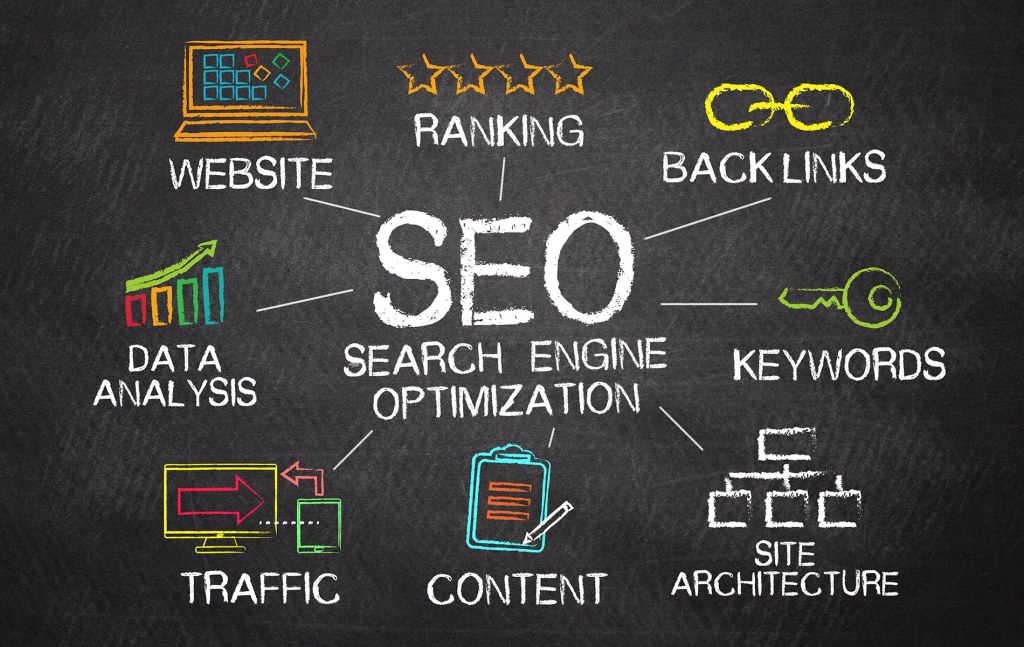
    In today’s competitive digital marketplace, every business is fighting for visibility, traffic, and conversions. Standing out online is no longer just about having a website, it’s about being found by the right audience at the right time. This is where partnering with a professional SEO company becomes essential. An experienced SEO team understands how to optimize your website, improve rankings, and drive consistent organic traffic that converts.

    By combining in-depth keyword research, technical expertise, and data-driven strategies, an SEO company helps businesses outperform competitors in search results. From enhancing user experience to building authority through quality backlinks, their role extends far beyond rankings, they create a foundation for long-term growth and online dominance. Investing in expert SEO services is ultimately an investment in your brand’s future success.

    Top 10 Ways SEO Company Help You Stay Ahead of Competitors

    In today’s fast-paced digital world, competition among businesses has shifted online. Every brand wants to rank higher, attract more traffic, and convert visitors into loyal customers. However, achieving and maintaining visibility in search engine results is not as simple as it once was. That’s where a professional SEO company steps in. By combining strategy, technology, and expertise, an SEO company helps businesses outperform competitors and secure lasting online growth.

    1.     Strategic Keyword Research and Competitor Analysis

    One of the key ways an SEO company helps you stay ahead of competitors is through advanced keyword research and competitor analysis. Instead of guessing what your audience searches for, SEO experts identify high-traffic, low-competition keywords that drive meaningful results.

    They also analyze your competitors’ online strategies, including their keywords, backlinks, and content performance, to find gaps you can leverage. This data-driven approach ensures your business not only competes but stays a step ahead. Partnering with a team that offers the best SEO services ensures your business ranks higher, gains more traffic, and stays ahead of competitors.

    2.     Building a Strong Technical SEO Foundation

    Even the most attractive website can fail if it lacks a solid technical foundation. An SEO company ensures that your website is technically optimized for search engines.

    This includes improving site speed, fixing crawl errors, creating clean URLs, optimizing metadata, and ensuring mobile responsiveness. A technically sound website enhances both user experience and search engine rankings, giving you a competitive edge over businesses that overlook these factors.

    3.     Crafting High-Quality, Optimized Content

    Content remains at the heart of every successful SEO strategy. An SEO company helps develop a content plan that aligns with your brand’s voice while targeting relevant search queries.

    From blogs and articles to service pages and landing pages, every piece of content is strategically optimized with the right keywords, headings, and structure. High-quality content not only drives traffic but also builds authority and trust, two factors that help you stand out in a crowded market.

    4.     Building Authority Through Ethical Link Building

    Backlinks continue to be one of the strongest ranking factors in SEO. A reliable SEO company uses ethical link-building techniques to secure backlinks from reputable and relevant websites.

    These links act as endorsements in the eyes of search engines, improving your website’s authority and ranking potential. More importantly, consistent link-building ensures your site maintains an advantage over competitors who rely on outdated or spammy tactics.

    5.     Optimizing User Experience (UX) and Engagement

    Search engines reward websites that deliver a positive user experience. An SEO company focuses not just on rankings but also on how visitors interact with your site.

    By analyzing metrics like bounce rates, click-through rates, and dwell time, SEO experts identify areas of improvement. Whether it’s simplifying navigation, improving page layouts, or optimizing calls to action, these enhancements make users stay longer, signaling to search engines that your site deserves a higher rank.

    6.     Local SEO for Targeted Market Domination

    If your business serves a local audience, local SEO can be a game changer. A professional SEO company helps you optimize your Google Business Profile, manage online reviews, and build local citations.

    By targeting local search queries like “near me” searches, your business appears in front of potential customers at the exact moment they’re ready to buy. This focused visibility not only increases sales but also ensures you outshine local competitors.

    7.     Adapting to Algorithm Changes and Industry Trends

    Search engine algorithms are constantly evolving. What works today might not be effective tomorrow. Staying updated requires expertise, time, and vigilance, something a professional SEO company offers.

    Their specialists monitor algorithm changes, adjust strategies accordingly, and implement the latest best practices. This adaptability ensures your website remains compliant, visible, and competitive, even as search engines update their rules.

    8.     Data-Driven Reporting and Continuous Optimization

    A good SEO company doesn’t just implement strategies and leave it at that, it continuously tracks, measures, and refines your SEO performance. Through regular analytics and reporting, you can see how your traffic, keywords, and conversions are improving over time.

    By using data insights, the company fine-tunes campaigns to maximize ROI and maintain a steady lead over your competitors. This continuous improvement mindset is what separates long-term winners from short-term players in the digital world.

    9.     Integration with Other Digital Marketing Strategies

    SEO doesn’t exist in isolation. A skilled SEO company integrates SEO with other marketing strategies like content marketing, pay-per-click (PPC), social media, and email campaigns.

    This synergy amplifies your overall marketing impact, increases brand visibility, and delivers consistent results across channels. When all elements work together strategically, your brand gains more exposure and authority, keeping you ahead of your rivals.

    10.Sustainable Growth and Long-Term Success

    The best part of working with an SEO company is that it focuses on long-term growth. Unlike short-term marketing tactics, SEO builds a strong digital foundation that continues to deliver results for years.

    By maintaining consistent optimization, regular audits, and data-backed strategies, SEO companies ensure that your brand stays visible, trusted, and profitable in an ever-evolving digital landscape. If you’re looking to boost your website’s visibility and attract quality leads, choosing the best SEO services can help you achieve lasting online success.

    Conclusion

    In a competitive online market, simply having a website isn’t enough, it needs to perform. Partnering with a professional SEO company helps your business stay ahead of competitors by optimizing every aspect of your online presence, from technical SEO to user experience and content strategy. With expert guidance, consistent effort, and data-driven decisions, your brand can dominate search results, attract loyal customers, and achieve sustainable digital success.

  • How SEO and PPC Work Together for Better ROI

    When it comes to digital marketing, businesses often treat SEO (Search Engine Optimization) and PPC (Pay-Per-Click advertising) as two separate strategies. Some prefer to invest in SEO for long-term results, while others lean on PPC for immediate visibility. However, the truth is that when SEO and PPC work together, they can create a powerful synergy that drives higher ROI (Return on Investment) than either channel could achieve alone.

    Instead of viewing SEO and PPC as competing tactics, businesses should recognize them as complementary forces. Let’s explore how combining these strategies can maximize visibility, attract the right audience, and boost conversions.

    Understanding SEO and PPC: The Basics

    • SEO focuses on optimizing your website to appear organically in search engine results. It involves keyword targeting, content creation, link building, technical improvements, and user experience enhancements. The biggest advantage of SEO is cost-effectiveness in the long run, but it takes time to show results.
    • PPC refers to paid advertising campaigns, such as Google Ads, where businesses bid on keywords to display their ads above or alongside organic results. With PPC, you can see results instantly, but it requires ongoing budget management.

    Separately, these channels are powerful. Together, they can multiply impact by covering both paid and organic search results, giving your brand greater dominance in the SERPs (search engine results pages).

    1.     Maximizing Visibility with Dual Presence

    When a business ranks organically for a keyword through SEO and simultaneously runs a PPC ad for the same keyword, it captures more real estate on the search results page. This dual presence significantly improves brand visibility and credibility.

    Studies show that users are more likely to click when they see the same brand in both paid and organic listings. This strategy not only increases click-through rates (CTR) but also ensures that your competitors don’t take over valuable space at the top of search results. If you’re looking to boost your online visibility and drive consistent traffic, partnering with a trusted SEO company can make all the difference.

    2.     Using PPC Data to Refine SEO Strategy

    One of the most effective ways SEO and PPC work together is through data sharing. PPC campaigns provide immediate insights into which keywords drive clicks and conversions. These insights can then be used to refine your SEO strategy.

    For example, if a specific long-tail keyword converts well in a PPC campaign, you can target it in your SEO efforts by creating optimized content around it. Similarly, low-performing keywords in PPC can be deprioritized in SEO, saving time and resources.

    3.     Accelerating Results While SEO Builds Authority

    SEO is a long-term strategy. It may take months to see significant results, especially in competitive industries. During this period, PPC can fill the gap by driving immediate traffic and conversions.

    By running PPC campaigns alongside SEO, businesses can start generating revenue while organic rankings are still developing. Once SEO gains momentum, PPC can be scaled back or redirected to target highly competitive keywords that are difficult to rank for organically.

    4.     Building Brand Credibility and Trust

    A strong online presence is crucial for building trust. When users see your brand appear in both paid ads and organic search results, it reinforces authority and reliability. Even if they don’t click the ad, the repeated visibility boosts brand recall, making users more likely to choose your business later. This “halo effect” of combining SEO and PPC helps nurture leads through repeated exposure, ultimately increasing conversions and ROI.

    5.     Retargeting and Remarketing Opportunities

    PPC allows businesses to retarget users who have already visited their website but didn’t convert. By combining this with SEO-driven traffic, you can create powerful remarketing campaigns.

    For example, someone who found your site organically through SEO but left without booking or buying can later be retargeted with a PPC ad offering a discount or reminder. This combination ensures no opportunity is wasted and helps convert hesitant customers into paying ones.

    6.     Improving Content Marketing Strategy

    SEO thrives on valuable, relevant content that answers users’ queries. PPC, on the other hand, gives immediate insights into which ad copy, headlines, and landing pages resonate most with the audience.

    By analyzing PPC performance data, you can refine your SEO content strategy. If a particular headline drives high clicks in PPC, it could be repurposed as a blog title or meta description. This data-driven approach ensures your content performs better both organically and in paid campaigns.

    7.     Cost Efficiency Through Strategic Balance

    Some businesses hesitate to run PPC because of the costs involved. However, when SEO and PPC strategies are balanced properly, businesses can achieve cost efficiency.

    For example:

    • SEO can focus on building long-term rankings for high-volume keywords.
    • PPC can target seasonal campaigns, time-sensitive promotions, or highly competitive keywords that are too difficult to rank for organically.

    This balanced approach allows businesses to maximize ROI by investing where each channel performs best. A professional SEO company helps businesses improve search rankings, attract qualified leads, and maximize digital growth.

    8.     Measuring ROI Across SEO and PPC

    Tracking ROI is crucial in digital marketing. By integrating SEO and PPC analytics, businesses get a clearer picture of how search contributes to overall growth.

    Google Analytics, for instance, can help measure how paid and organic traffic complement each other. This unified reporting allows marketers to make smarter budget decisions and allocate resources where they deliver the highest return.

    Conclusion

    SEO and PPC are often viewed as two sides of the same coin, but together they create a comprehensive search marketing strategy that drives better results. While SEO builds long-term organic visibility and trust, PPC delivers immediate traffic and measurable insights. When combined, they amplify reach, reduce risks, and maximize ROI. For businesses that want to dominate the digital landscape, the answer isn’t SEO or PPC, it’s SEO and PPC working hand in hand.

  • How SEO Drives Bookings for Travel and Tourism Websites?

    The travel and tourism industry thrives on visibility. In today’s digital age, travelers no longer rely on brochures or travel agents alone, they turn to search engines to research destinations, compare hotels, book tours, and find experiences. For businesses in this sector, Search Engine Optimization (SEO) is one of the most powerful tools to attract potential travelers and convert them into paying customers. By optimizing your website for search engines, you not only improve online visibility but also gain trust, increase engagement, and most importantly, drive bookings.

    The Importance of SEO in the Travel Industry

    With millions of searches happening daily for flights, hotels, destinations, and tour packages, ranking high in search results can directly influence revenue. If a travel website isn’t optimized, it risks losing potential customers to competitors who appear on the first page of Google. SEO ensures your brand stands out at the right time, when users are actively searching for travel solutions.

    1.     Increasing Visibility with Keyword Optimization

    One of the core ways SEO drives bookings is through keyword optimization. Travelers typically search with intent-driven queries such as “best hotels in London,” “affordable Bali tour packages,” or “family-friendly resorts in Spain.”

    By targeting these specific keywords in website content, blogs, and landing pages, travel businesses can attract highly qualified traffic. This increases the likelihood of visitors converting into bookings because they are already interested in what you offer. Choosing the right SEO company ensures your website is optimized with proven strategies that deliver long-term growth.

    2.     Local SEO: Capturing Location-Based Searches

    For hotels, tour operators, and destination-based businesses, local SEO is a game-changer. Optimizing Google Business Profiles, adding local keywords, and encouraging positive customer reviews help businesses appear in location-based searches like “best restaurants in Paris near Eiffel Tower” or “London city tours.” When travelers search on the go, local SEO ensures your business is discoverable, significantly boosting chances of direct bookings.

    3.     Content Marketing for Travel Inspiration

    Travel decisions are often influenced by inspiration. Blogs, guides, and destination-based content play a huge role in the traveler’s journey. By creating high-quality content such as “Top 10 Things to Do in Dubai” or “A Complete Guide to Traveling in Italy,” tourism websites can attract traffic at the research stage. SEO ensures this content ranks well, bringing users to your site early in their decision-making process. Once inspired, they are more likely to book tours, hotels, or activities directly with you.

    4.     Building Trust with SEO-Driven Authority

    In the travel sector, trust is crucial. No one wants to risk booking with a site that looks unreliable. By consistently appearing at the top of search results, travel websites establish credibility and authority. Backlinks from reputable travel blogs, partnerships with influencers, and optimized on-page elements strengthen your brand’s trustworthiness, making customers feel more confident booking through your platform.

    5.     Enhancing User Experience to Boost Conversions

    SEO isn’t just about ranking, it’s also about user experience (UX). Google rewards websites that are mobile-friendly, fast-loading, and easy to navigate. For travelers browsing on smartphones while planning trips, a seamless mobile experience is essential. An optimized UI/UX reduces bounce rates, keeps visitors engaged, and simplifies the booking process. This leads directly to higher conversion rates and increased sales.

    6.     Leveraging Technical SEO for Better Performance

    Behind the scenes, technical SEO plays a huge role in driving bookings. Structured data (schema markup) allows search engines to display key details such as star ratings, prices, and availability directly in search results. This makes your listings more appealing and informative, increasing click-through rates. Additionally, fixing broken links, optimizing site speed, and ensuring secure HTTPS connections make users feel safe completing transactions online. If you are looking to boost your online presence and drive more sales, partnering with a reliable SEO company can make all the difference.

    7.     Targeting Seasonal and Event-Based Searches

    Travel and tourism demand often peaks around seasons, holidays, and events. SEO helps capture this demand by targeting seasonal keywords such as “Christmas tours in New York” or “summer beach resorts in Greece.” By optimizing content around these time-sensitive searches, travel websites can tap into surges of interest and maximize bookings during peak travel periods.

    The Role of Voice Search in Travel SEO

    With more users relying on smartphones and smart devices, voice search is changing how people search for travel options. Queries like “What’s the best budget hotel near Times Square?” are becoming more common. Optimizing your website for natural, conversational phrases ensures you don’t miss out on voice search traffic. This adaptation can be a key driver for bookings in the modern travel landscape.

    1.     Social Proof and Reviews Boost SEO and Bookings

    SEO and customer reviews go hand in hand. Positive reviews not only improve your local SEO rankings but also act as powerful social proof. Travelers are more likely to book when they see real experiences from past customers. By encouraging reviews and integrating them into your website, you enhance both SEO performance and conversion rates.

    2.     Analytics and Continuous Improvement

    SEO for travel isn’t a one-time effort; it requires constant monitoring and adjustment. Tools like Google Analytics and Search Console provide insights into which keywords, pages, and campaigns drive the most bookings. By analyzing user behavior, travel businesses can refine their strategies, focusing on what works best and continuously increasing their return on investment.

    Conclusion

    The travel and tourism industry is fiercely competitive, but SEO is the secret weapon that can drive consistent bookings and long-term growth. From keyword optimization and local SEO to content marketing, technical enhancements, and mobile-first design, SEO touches every aspect of a traveler’s digital journey. When done correctly, it not only brings travelers to your website but also ensures they stay, trust your brand, and complete bookings with confidence.

  • How SEO Helps You Stay Ahead of Competitors?

    In today’s digital-first world, competition in every industry is fierce. Whether you run a small business, an e-commerce store, or a large enterprise, the ability to stand out online is critical to success. Search Engine Optimization (SEO) is one of the most powerful tools that can give you an edge over your competitors. By improving visibility, driving organic traffic, and strengthening brand authority, SEO ensures your business doesn’t just keep up, it leads. Let’s explore seven ways SEO helps you stay ahead of competitors in the ever-evolving digital marketplace.

    1.     Higher Visibility on Search Engines

    The most immediate benefit of SEO is improved visibility. When your website ranks higher on search engine results pages (SERPs), potential customers are more likely to find you before they discover your competitors. Most users rarely go beyond the first page of search results, which makes top rankings a competitive advantage. Through targeted keyword optimization, content creation, and on-page SEO practices, you can ensure your brand consistently appears where your audience is searching. The more visible you are, the more traffic you attract, keeping you one step ahead of competitors who don’t prioritize SEO. Our expert SEO services are designed to boost your website’s visibility, attract qualified traffic, and help your business stay ahead of competitors.

    2.     Building Long-Term Brand Authority

    A strong online presence isn’t built overnight. Unlike paid ads, which disappear as soon as your budget runs out, SEO delivers long-term results. Consistently ranking high for relevant searches helps position your brand as a trusted authority in your industry. When users see your business consistently in top positions, it signals reliability and expertise. Competitors who rely solely on short-term marketing strategies often struggle to achieve the same credibility. By investing in SEO, you build a foundation of authority that competitors will find difficult to replicate.

    3.     Targeting the Right Audience with Precision

    One of the most effective ways SEO helps you outpace competitors is by attracting the right audience. Modern SEO strategies focus on understanding user intent, whether informational, navigational, or transactional. By optimizing your website content and keywords around user intent, you can connect with people who are actively searching for what you offer. This not only increases traffic but also improves conversion rates. While competitors may generate random traffic through broad campaigns, SEO ensures that your business attracts qualified leads ready to take action.

    4.     Enhancing User Experience and Engagement

    Search engines like Google place a strong emphasis on user experience (UX) when ranking websites. Factors such as page speed, mobile responsiveness, site navigation, and content readability all influence how users interact with your site. A well-optimized website provides a seamless experience that keeps visitors engaged longer. This directly reduces bounce rates and increases conversions. Competitors with slow, outdated, or poorly optimized websites risk losing customers, while your business can gain an edge by offering a smoother, more enjoyable online journey.

    5.     Outperforming Competitors with Content Marketing

    Content is the backbone of SEO, and high-quality content is a proven way to outperform competitors. By regularly publishing blogs, guides, case studies, and videos optimized for SEO, you position your business as a valuable resource in your niche. Strong content not only attracts organic traffic but also keeps users coming back for more. Competitors that neglect content marketing often struggle to maintain visibility, while your content-driven SEO strategy ensures long-term relevance and growth.

    6.     Staying Adaptable to Market and Algorithm Changes

    Google frequently updates its algorithms, and industries evolve constantly. Businesses that fail to adapt quickly risk losing rankings and visibility. An ongoing SEO strategy helps your business stay flexible by monitoring changes, analyzing performance, and updating tactics accordingly. By staying ahead of search trends, voice search, and mobile optimization, you can adapt faster than competitors. This adaptability allows you to remain relevant in the digital space while others scramble to catch up after every algorithm update.

    7.     Cost-Effective Advantage Over Paid Advertising

    While paid advertising delivers quick results, it requires ongoing spending to maintain visibility. SEO, on the other hand, is a cost-effective long-term strategy. Once your website begins ranking high for valuable keywords, you continue to receive organic traffic without paying for every click. This gives you a sustainable advantage over competitors who rely solely on ads. Over time, the ROI from SEO is significantly higher, allowing you to invest more strategically in other areas of business growth. By investing in professional SEO services, you can improve search rankings, strengthen brand authority, and achieve sustainable online growth.

    Conclusion

    In a world where online competition is only intensifying, SEO provides the foundation to not just survive but thrive. From higher visibility and stronger authority to improved user experience and long-term cost savings, SEO gives your business multiple advantages over competitors. Unlike one-off marketing tactics, SEO is a continuous investment that delivers sustainable growth and resilience against industry changes. By implementing a well-rounded SEO strategy today, you position your business to stay ahead of competitors tomorrow, and for years to come.

  • How to Recover from a Google Algorithm Update?

    Google frequently updates its algorithms to ensure users receive the most relevant and high-quality results. While these updates improve the search experience, they can also cause a sudden drop in website traffic and rankings for businesses.

    If your site has been affected, it doesn’t mean your SEO efforts have gone to waste, it simply means it’s time to adapt and refine your strategy. Recovering from a Google algorithm update requires a proactive approach, patience, and a focus on long-term improvements rather than quick fixes.

    Let’s dive into how you can recover effectively and future-proof your website.

    Understanding Google Algorithm Updates

    Before you can recover, it’s important to understand why Google rolls out these updates. Each algorithm change is designed to prioritize websites that deliver high-quality content, fast performance, mobile-friendliness, and a strong user experience. Some updates focus on specific issues, like spammy backlinks or low-quality content, while others (known as core updates) make broad changes across search rankings. Recognizing which type of update has impacted your site is the first step toward recovery.

    1.     Identify the Update and Its Impact

    The first step in recovery is figuring out which Google update affected your site. You can track algorithm changes through resources like Google Search Central, SEO news blogs, or algorithm update trackers. Once identified, analyze your website’s performance in Google Analytics and Search Console.

    Look for sudden drops in impressions, clicks, or ranking for specific keywords. This analysis helps you pinpoint which areas of your SEO strategy need improvement, whether it’s content quality, backlinks, or technical SEO. By investing in professional SEO services, you can boost visibility, enhance user engagement, and drive more conversions for your brand.

    2.     Audit Your Content Thoroughly

    One of the most common reasons for ranking drops is thin, outdated, or irrelevant content. Google prioritizes content that is helpful, trustworthy, and comprehensive. Conduct a content audit to evaluate every page on your website. Ask yourself:

    • Does this content fully answer the user’s query?
    • Is it well-structured and easy to read?
    • Does it provide unique insights, or is it similar to competitors’ content?

    Update old posts with fresh information, add relevant keywords naturally, and ensure that content aligns with user intent. Long-term recovery often begins with improving content quality.

    3.     Enhance Your Website’s User Experience

    Google places a heavy emphasis on user experience (UX). Factors like page load speed, mobile responsiveness, and navigation all affect rankings. Use tools like Google PageSpeed Insights or Core Web Vitals reports to test your site’s performance. Optimize images, reduce unnecessary code, and ensure your design works smoothly on all devices. A seamless user experience not only helps rankings but also improves engagement and conversion rates.

    4.     Evaluate and Clean Up Backlinks

    Backlinks remain an important ranking factor, but not all links are good for SEO. If your site has a history of spammy, irrelevant, or low-quality backlinks, an algorithm update may penalize you. Use tools like Ahrefs, SEMrush, or Google Search Console to audit your backlink profile. Disavow harmful links and focus on earning high-quality backlinks from reputable sites through guest posts, collaborations, or digital PR. A healthy link profile signals credibility to Google.

    5.     Optimize for E-A-T (Expertise, Authoritativeness, Trustworthiness)

    Google’s algorithms often evaluate content based on E-A-T principles, especially in industries like health, finance, or law. To improve E-A-T:

    • Add author bios with credentials.
    • Cite reliable sources in your content.
    • Ensure your website has clear contact details and privacy policies.
    • Collect and display positive reviews or testimonials.

    By establishing authority and trust, you increase your chances of recovering from ranking drops and gaining long-term visibility.

    6.     Strengthen Technical SEO

    Even great content can struggle to rank if your website has technical issues. Run a technical SEO audit to check for:

    • Broken links or 404 errors.
    • Duplicate content.
    • Poor site structure.
    • Missing meta tags and alt text.

    Fixing these issues makes your site easier for search engines to crawl and index. Structured data (schema markup) can also give Google a better understanding of your site, increasing the chances of appearing in rich snippets.

    7.     Focus on Keyword Intent and Relevance

    Many websites lose rankings after updates because their content does not match user intent. For example, if someone searches for “best budget smartphones,” they expect a comparison or review, not a sales pitch. Revisit your keyword strategy and align it with user intent, informational, navigational, or transactional. Update titles, meta descriptions, and headings to reflect intent naturally while avoiding keyword stuffing.

    8.     Monitor, Adapt, and Be Patient

    Recovery from a Google algorithm update rarely happens overnight. It takes consistent effort and patience. Continue monitoring your site’s performance through analytics, keep an eye on competitors, and adapt to ongoing SEO trends. Remember, every update is an opportunity to strengthen your website and improve its long-term resilience. Our expert SEO services help businesses improve search rankings, attract qualified traffic, and achieve long-term online growth.

    9.     Future-Proofing Against Google Updates

    While you cannot predict every algorithm change, you can protect your website from major setbacks by focusing on fundamentals:

    • Create high-quality, original, and helpful content.
    • Build a secure, fast, and mobile-friendly website.
    • Earn backlinks naturally from reputable sources.
    • Stay updated on Google’s SEO guidelines.

    By prioritizing users and delivering genuine value, your website will remain strong, even when new updates roll out.

    Conclusion

    A Google algorithm update may feel overwhelming, but it’s not the end of your SEO journey, it’s a chance to refine your strategy. By identifying the update’s impact, improving content quality, strengthening backlinks, enhancing user experience, and focusing on E-A-T, your site can recover and even perform better than before. The key is consistency and adaptability. Remember, Google’s ultimate goal is to serve users with the best possible results. If your website aligns with that goal, recovery is not just possible, it’s inevitable.

  • Top 6 On-Page SEO Practices to Boost Your Website Rankings

    When it comes to Search Engine Optimization (SEO), many businesses focus heavily on building backlinks or running paid ads. While these tactics are important, the foundation of strong search rankings lies in on-page SEO.

    On-page SEO refers to optimizing the elements on your website to make it more search engine and user-friendly. Done correctly, it improves visibility, boosts rankings, and ensures visitors have a seamless experience. In this blog, we’ll explore the top 7 on-page SEO practices that can significantly improve your website’s performance and rankings.

    1.     Optimize Title Tags and Meta Descriptions

    Your title tag and meta description are the first things users and search engines see. A well-crafted title tag should include your target keyword naturally and stay within 55–60 characters. Similarly, your meta description should provide a clear, engaging summary of the page in about 150–160 characters.

    For example, instead of writing “SEO Blog,” a better title would be: “Top 7 On-Page SEO Practices to Boost Your Website Rankings.” This not only attracts attention but also signals relevance to search engines. Optimized meta descriptions improve click-through rates (CTR), which can further boost rankings. With tailored technical SEO services, businesses can fix backend issues, improve site performance, and achieve sustainable higher rankings.

    2.     Focus on High-Quality, Keyword-Optimized Content

    Content remains the heart of on-page SEO. Search engines prioritize pages that provide real value to users. To achieve this, you must create content that answers user questions, provides detailed insights, and incorporates keywords naturally. Avoid keyword stuffing, it not only hurts readability but can also lead to penalties.

    Instead, use a mix of primary keywords, secondary keywords, and semantic (LSI) terms. For instance, if your target keyword is “on-page SEO practices,” include variations like “SEO optimization tips” or “website ranking strategies” throughout your content. This helps search engines understand context and improves your chances of ranking for multiple queries.

    3.     Improve Website Loading Speed

    Page speed is a crucial ranking factor. Users expect websites to load quickly, and if your page takes longer than three seconds, most visitors will abandon it. To improve site speed, consider:

    • Compressing images without losing quality
    • Leveraging browser caching
    • Minimizing code (HTML, CSS, JavaScript)
    • Using a Content Delivery Network (CDN)

    Google’s PageSpeed Insights tool can help you identify performance issues and fix them. A faster website not only improves SEO rankings but also boosts user experience and conversions.

    4.     Enhance Internal Linking

    Internal linking helps search engines crawl your website effectively and distributes link equity across pages. It also guides users to related content, reducing bounce rates and increasing session duration.

    For instance, if you’re writing about “SEO strategies,” you can link to related blogs such as “Why Keyword Research Is Crucial for SEO Success.” Use descriptive anchor text that includes relevant keywords, rather than generic phrases like “click here.” A strong internal linking structure builds topical authority and boosts overall SEO performance. If you are facing crawl errors, broken links, or slow site speed, expert technical SEO services can resolve these issues and boost your rankings.

    5.     Optimize Images with Alt Text

    Images are an essential part of engaging content, but they can also slow down your site if not optimized. Compress images to reduce size and always include descriptive alt text. Alt text not only improves accessibility for visually impaired users but also helps search engines understand the image context.

    For example, instead of writing alt text as “image1.jpg,” use “on-page SEO practices infographic.” This makes your content more discoverable in image search and reinforces keyword relevance.

    6.     Make Your Website Mobile-Friendly

    With mobile-first indexing, Google primarily uses the mobile version of your website for ranking. If your site isn’t mobile-friendly, you risk losing a significant share of traffic. Responsive design ensures your website adapts to different screen sizes and provides a smooth experience across devices.

    Check your site’s mobile-friendliness using Google’s Mobile-Friendly Test tool. Ensure that fonts are readable, buttons are easy to click, and navigation is seamless on smartphones and tablets. A mobile-optimized site not only boosts SEO but also improves user satisfaction.

    Additional Tips to Strengthen On-Page SEO

    While the seven practices above are the most impactful, here are a few more tips to take your on-page SEO to the next level:

    • Use header tags (H1, H2, H3) to structure your content logically.
    • Incorporate schema markup to help search engines better understand your content.
    • Update old content regularly to keep it fresh and relevant.
    • Add social sharing buttons to encourage wider reach.

    Final Thoughts

    On-page SEO is the foundation of any successful digital marketing strategy. By optimizing title tags, content, URLs, site speed, internal links, images, and mobile usability, you set your website up for higher rankings and better engagement. Unlike off-page strategies that rely on external factors, on-page SEO is entirely within your control, making it one of the most effective ways to influence search engine performance. If you want to stay competitive in today’s digital world, focus on these seven on-page SEO practices consistently. Over time, they will not only improve your rankings but also create a seamless experience for your audience, leading to higher trust, traffic, and conversions.

  • Why Is Keyword Research Still Crucial for SEO Success?

    Search Engine Optimization (SEO) has evolved significantly over the years. From algorithm updates to AI-driven ranking systems, the landscape has changed dramatically. Yet one element has remained consistently important: keyword research.

    Keywords act as the bridge between what users are searching for and the content businesses create. While many argue that modern SEO has shifted more towards intent and user experience, keyword research still forms the backbone of any successful strategy.

    Let’s explore why keyword research is still crucial for SEO success in 2025 and beyond.

    Understanding the Role of Keyword Research in SEO

    Keyword research is the process of identifying the words and phrases people use to search for information, products, or services online. It helps businesses align their content with user intent, ensuring that their websites appear in relevant search results. Without keyword research, you risk creating content that no one is actively searching for or worse, content that ranks for irrelevant terms and drives the wrong traffic.

    1.     Aligning Content with User Intent

    Search engines, especially Google, have become smarter at understanding user intent. Instead of just matching exact keywords, they now analyze context and behavior to provide results that best satisfy the query. However, without keyword research, you cannot uncover what your target audience is truly searching for.

    For example, if you run a fitness blog, knowing the difference between “best home workout equipment” and “best bodyweight workouts” is crucial. One indicates an interest in buying products, while the other points to people looking for free exercises. By conducting keyword research, you can create content tailored to both informational and transactional intents, ultimately driving the right audience to your website.

    2.     Driving Qualified and Relevant Traffic

    Attracting traffic is good, but attracting the right traffic is even better. Keyword research ensures that the visitors coming to your site are actually interested in your offerings. If you optimize for vague or irrelevant terms, you may generate traffic, but it won’t convert into leads or sales.

    For instance, a company offering SEO consulting services should target specific keywords like “SEO consultant for small businesses” or “local SEO consulting” instead of broad terms like “SEO.” This precision ensures the traffic is relevant, qualified, and more likely to engage with your services. Investing in technical SEO services ensures your website is fast, mobile-friendly, and structured in a way that search engines can easily crawl and index.

    3.     Building a Content Strategy That Works

    Keyword research acts as the foundation for a content marketing plan. It helps you identify gaps in your niche, uncover trending topics, and prioritize which content to create first. By analyzing search volumes, competition, and trends, businesses can plan blog posts, landing pages, and product descriptions that not only rank but also resonate with their audience.

    For example, a travel agency might discover through keyword research that “eco-friendly travel packages” is gaining traction. By creating optimized content around that phrase, they can tap into a growing market before competitors do.

    4.     Staying Ahead of Competitors

    Competitor analysis is a core part of keyword research. By studying which keywords your competitors rank for, you can identify opportunities to outrank them or target areas they’ve missed. This doesn’t mean copying their strategy but rather finding ways to create better, more valuable content.

    If a competitor is ranking for “affordable website design services,” you might target a variation like “affordable professional web designing services” and craft a more comprehensive resource. Over time, this approach not only boosts rankings but also positions your brand as an industry leader.

    5.     Optimizing for Long-Tail Keywords

    The days of relying solely on short, broad keywords are long gone. Today, long-tail keywords, phrases with three or more words—drive a significant portion of search traffic. These keywords may have lower search volumes individually, but they are less competitive and bring highly targeted visitors.

    For example, instead of targeting “yoga,” a wellness brand could focus on “best yoga poses for back pain.” This not only helps the brand rank faster but also increases the chances of converting because the keyword aligns with a specific problem the user is trying to solve. Keyword research uncovers these opportunities, making it easier to capture niche audiences.

    6.     Supporting Other SEO Practices

    Keyword research doesn’t stand alone, it supports nearly every other aspect of SEO. From on-page optimization and meta descriptions to content clustering and internal linking, keywords guide how these elements should be structured. Even technical SEO benefits when keywords help inform site architecture and URL structures.

    For example, grouping related keywords into topic clusters allows you to create pillar pages and subtopics that improve site navigation and search engine understanding. Without keyword research, building this structure would be nearly impossible.

    7.     Adapting to Evolving Search Trends

    Search behavior is constantly changing. Voice search, AI assistants, and mobile-first browsing have all influenced the way people phrase queries. Instead of typing “best Italian restaurant,” a user might now ask, “What’s the best Italian restaurant near me open now?”

    Keyword research helps businesses adapt to these evolving patterns by tracking trends, questions, and conversational phrases. By targeting such queries, you can stay relevant and ensure your site captures modern search behaviors.

    8.     Measuring and Improving Performance

    Keyword research not only informs your strategy but also helps measure its success. By tracking keyword rankings, impressions, and click-through rates (CTR), you can identify which strategies are working and where adjustments are needed. This ongoing feedback loop ensures your SEO efforts remain effective and aligned with business goals.

    For instance, if a blog post ranks well for “tips for responsive web design” but isn’t driving clicks, you can refine the title or meta description to improve engagement. Without keyword-based tracking, these insights would be difficult to uncover. If you are aiming for long-term growth in search rankings, professional technical SEO services provide the foundation your site needs to succeed.

    Final Thoughts

    While SEO has become more complex, keyword research remains its cornerstone. It connects businesses with their audiences, drives relevant traffic, informs content strategies, and keeps brands competitive in an ever-changing digital landscape. Ignoring keyword research means shooting in the dark, creating content without knowing whether it aligns with what people are searching for. In 2025 and beyond, successful SEO won’t just be about technical tweaks or flashy design; it will be about deeply understanding search intent, adapting to trends, and delivering valuable, keyword-driven content. And that’s why keyword research is still, and will continue to be, crucial for SEO success.

  • How to Build High-Quality Backlinks Without Penalties

    Backlinks remain one of the most important ranking factors in search engine optimization, but the way they are acquired makes all the difference between boosting your visibility and risking penalties. Low-quality or manipulative backlinks can damage a site’s reputation, while natural, authoritative, and relevant ones help build long-term SEO success.

    Google rewards websites that focus on providing genuine value rather than attempting to trick the system. This means the best way to build backlinks is by embracing strategies that prioritize quality, credibility, and authenticity. Below are eight powerful approaches to help you create a strong backlink profile without falling into the trap of penalties.

    1.     Create Content That Attracts Links Naturally

    The foundation of successful backlink building is content that people genuinely want to share and reference. If your content is engaging, well-researched, and unique, other websites will naturally link to it. This could include detailed how-to guides, original research studies, compelling case studies, or visually appealing infographics.

    For example, a blog post that provides fresh industry statistics or offers an in-depth solution to a common problem can attract links from bloggers, journalists, and influencers who want to support their own work with reliable sources. When you consistently produce high-value content, you reduce the need to chase links because they start coming to you. If you’re looking to boost your online visibility and drive sustainable traffic, professional SEO consulting services can guide your business with proven strategies tailored to your goals.

    2.     Leverage Guest Posting on Authoritative Sites

    Guest posting remains one of the most effective ways to secure backlinks, provided it is done on reputable websites within your niche. By writing thoughtful, original articles tailored to the needs of a host site’s audience, you not only showcase your expertise but also earn a natural backlink in the process.

    The key is targeting respected blogs or online magazines that already have strong domain authority and genuine readership. What should be avoided is posting on low-quality sites that exist solely for link exchanges, as these carry a risk of penalties. When done with quality and relevance in mind, guest posting strengthens both your reputation and your backlink profile.

    3.     Use Broken Link Building to Your Advantage

    Broken link building is a white-hat SEO tactic that provides value to both you and the website owner. Every website accumulates broken links over time, which can negatively impact user experience and SEO. By identifying these broken links on relevant websites and offering your own content as a replacement, you solve a problem for the site owner while gaining a backlink for yourself.

    Tools such as Ahrefs, SEMrush, or Check My Links make it easy to spot dead links. A polite outreach message informing the webmaster of the broken link and suggesting your resource often results in them accepting your link as a replacement. This strategy stands out because it focuses on being helpful rather than purely self-serving.

    4.     Build Genuine Relationships in Your Industry

    Relationships play a major role in earning backlinks without penalties. When you build trust with influencers, thought leaders, and content creators in your field, they are far more likely to link to your work naturally. This can be done by engaging with their content on social media, sharing their work, leaving thoughtful comments, or mentioning them in your own posts.

    Over time, these small actions establish familiarity and credibility. As a result, when you publish content that adds value to the conversation, your industry peers are more inclined to reference it in their own blogs, articles, or reports. Building genuine connections leads to authentic backlinks that are long-lasting and risk-free.

    5.     Get Listed in Quality Directories and Resource Pages

    Not all directories are harmful. In fact, being featured in trusted, high-quality directories and niche resource pages can provide strong backlinks while improving your visibility. Local businesses especially benefit from appearing in platforms like Google Business Profile, Yelp, or industry-specific directories. These listings not only provide backlinks but also drive targeted traffic from users actively searching for your services.

    The key is to choose directories with authority and relevance to your niche, while avoiding spammy, low-quality directories created solely for SEO purposes. Consistency of your business details across platforms (such as name, address, and phone number) also reinforces credibility in the eyes of both users and search engines.

    6.     Repurpose Content Across Different Platforms

    One reason content sometimes fails to attract backlinks is because it never reaches the right audience. Repurposing your existing content into different formats is an excellent way to extend its reach and increase the likelihood of natural backlinks. For example, a long blog post can be turned into a visually engaging infographic, a YouTube video, or even a podcast episode.

    Sharing your insights on LinkedIn, Medium, SlideShare, and other platforms opens the door to new audiences who may reference your content in their own work. The more exposure your content receives, the greater the chance of earning backlinks from credible sources across the web.

    7.     Apply the Skyscraper Technique

    The Skyscraper Technique, made popular by SEO experts, is one of the most powerful strategies for building backlinks. It works by identifying content in your niche that has already attracted a significant number of backlinks, then creating an updated and improved version of it. For instance, if you find a popular article on “10 Tips for SEO Success,” you could create a comprehensive resource like “20 Advanced SEO Tips with Real Case Studies.”

    Once your content is ready, you can reach out to websites linking to the original article and suggest they link to your improved version instead. Since site owners want to provide their audience with the best resources, many are open to updating their references to your content. Investing in expert SEO consulting services helps you identify growth opportunities, fix technical issues, and create a roadmap for long-term search engine success.

    8.     Offer Testimonials and Case Studies

    A straightforward but effective way to earn backlinks is by offering testimonials and participating in case studies. Many businesses feature customer testimonials on their websites, often with a link back to the customer’s site as a form of credit. Similarly, if you collaborate on a case study that highlights how a particular service or product helped your business, the company will likely publish it and link back to you. These types of backlinks are valuable because they are authentic, relevant, and tied to real experiences, making them highly unlikely to trigger any penalties.

    Final Thoughts

    Building high-quality backlinks without penalties requires a mindset shift from chasing quick wins to focusing on long-term value. Search engines are smarter than ever, and they reward websites that prioritize authenticity, relevance, and user experience. By creating exceptional content, contributing to authoritative sites, fixing broken links, building genuine relationships, leveraging directories, repurposing content, applying the skyscraper technique, and offering testimonials, you can steadily grow a backlink profile that strengthens your SEO and brand credibility. Unlike manipulative tactics that may yield short-term results but risk severe penalties, these strategies align with search engine guidelines and build trust with your audience. In the competitive world of digital marketing, backlinks earned through honesty and value will always outlast shortcuts, giving your website the authority it needs to thrive in the long run.

  • Why Backlinks Are Still Crucial for SEO Success?

    Search engine optimization (SEO) is constantly evolving, but one ranking factor has consistently remained at the core of success, backlinks. Even with Google’s advanced algorithms, backlinks continue to play a vital role in determining how authoritative, trustworthy, and relevant a website is. For businesses aiming to rank higher, drive organic traffic, and build credibility, backlinks are still as important today as they were years ago. Let’s explore eight reasons why backlinks remain essential for SEO success.

    1.     Backlinks Signal Trust and Authority

    Backlinks act as endorsements from other websites. When a trusted site links to your content, it signals to search engines that your information is reliable and valuable. This “vote of confidence” boosts your authority, making it easier for your website to rank higher in search engine results. Without backlinks, even high-quality content may struggle to gain visibility. Choosing a Professional SEO Service ensures your website gains higher visibility, stronger authority, and sustainable results in competitive markets.

    2.     Backlinks Remain a Core Google Ranking Factor

    Google uses hundreds of signals to rank websites, and backlinks remain one of the strongest. Research shows that sites with more high-quality backlinks consistently rank higher than those with fewer links. While content and user experience are important, backlinks still serve as a deciding factor in competitive niches where multiple websites target the same keywords.

    3.     Quality Over Quantity Enhances SEO Performance

    In the past, websites focused on gaining as many backlinks as possible, but Google now prioritizes quality over quantity. A few links from authoritative, relevant sites carry far more weight than dozens of low-quality ones. For example, a backlink from a trusted industry publication can improve rankings significantly more than random links from unrelated blogs. This shift highlights the ongoing importance of strategic link-building.

    4.     Backlinks Strengthen Domain Authority

    Domain Authority (DA) is a metric that indicates the overall strength of your website. Although DA is not a direct Google ranking factor, it is influenced heavily by the number and quality of backlinks pointing to your site. The more authoritative links you earn, the stronger your domain becomes. A high DA improves your chances of ranking for competitive keywords across multiple pages of your website.

    5.     Backlinks Drive Referral Traffic

    One of the biggest benefits of backlinks is referral traffic. When a reader clicks on a link from another website, they are likely already interested in your topic, product, or service. This type of traffic is highly targeted and more likely to convert into leads or sales. Beyond SEO, backlinks expose your brand to new audiences and help build recognition.

    6.     Backlinks Boost Content Visibility and Reach

    Great content doesn’t automatically attract attention, it needs amplification. Backlinks help increase the visibility of your content by distributing it across multiple platforms. When your content is linked by authoritative sites, search engines view it as valuable, which further boosts rankings. As your content appears in more searches, it attracts even more backlinks, creating a cycle of growth and visibility. Our Professional SEO Service is designed to improve your search rankings, drive qualified traffic, and deliver long-term online growth for your business.

    7.     Backlinks Build User and Search Engine Trust

    Trust is essential in both SEO and customer relationships. Backlinks from respected websites build credibility with users, showing that your brand is endorsed by others. At the same time, search engines interpret these links as a sign of legitimacy. Backlinks from high-authority domains, such as educational or government sites, are especially powerful in establishing long-term trust.

    8.     Backlinks Adapt to Evolving SEO Trends

    While SEO strategies continue to evolve, backlinks remain adaptable. Today, search engines are better at recognizing natural, relevant backlinks versus manipulative link schemes. This means backlinks are more valuable than ever, as they are harder to fake and serve as a true indicator of content quality. As algorithms become more sophisticated, backlinks continue to hold their place as a cornerstone of SEO.

    Conclusion

    Backlinks are far more than just links, they are powerful signals that determine visibility, authority, and trust in the digital world. They help websites rank higher, drive referral traffic, strengthen domain authority, and increase brand recognition. By focusing on earning high-quality, relevant backlinks, businesses can ensure long-term SEO success and stay competitive in an ever-changing online landscape. Simply put, backlinks are not a trend, they are a necessity for sustainable digital growth.

Design a site like this with WordPress.com
Get started